


I was driving through my neighborhood yesterday and noticed something on the sign of a nearby development: “NO CDD.”
I had an idea of what it meant, but it got me thinking. I stopped into their model home to ask the sales agent a few questions.
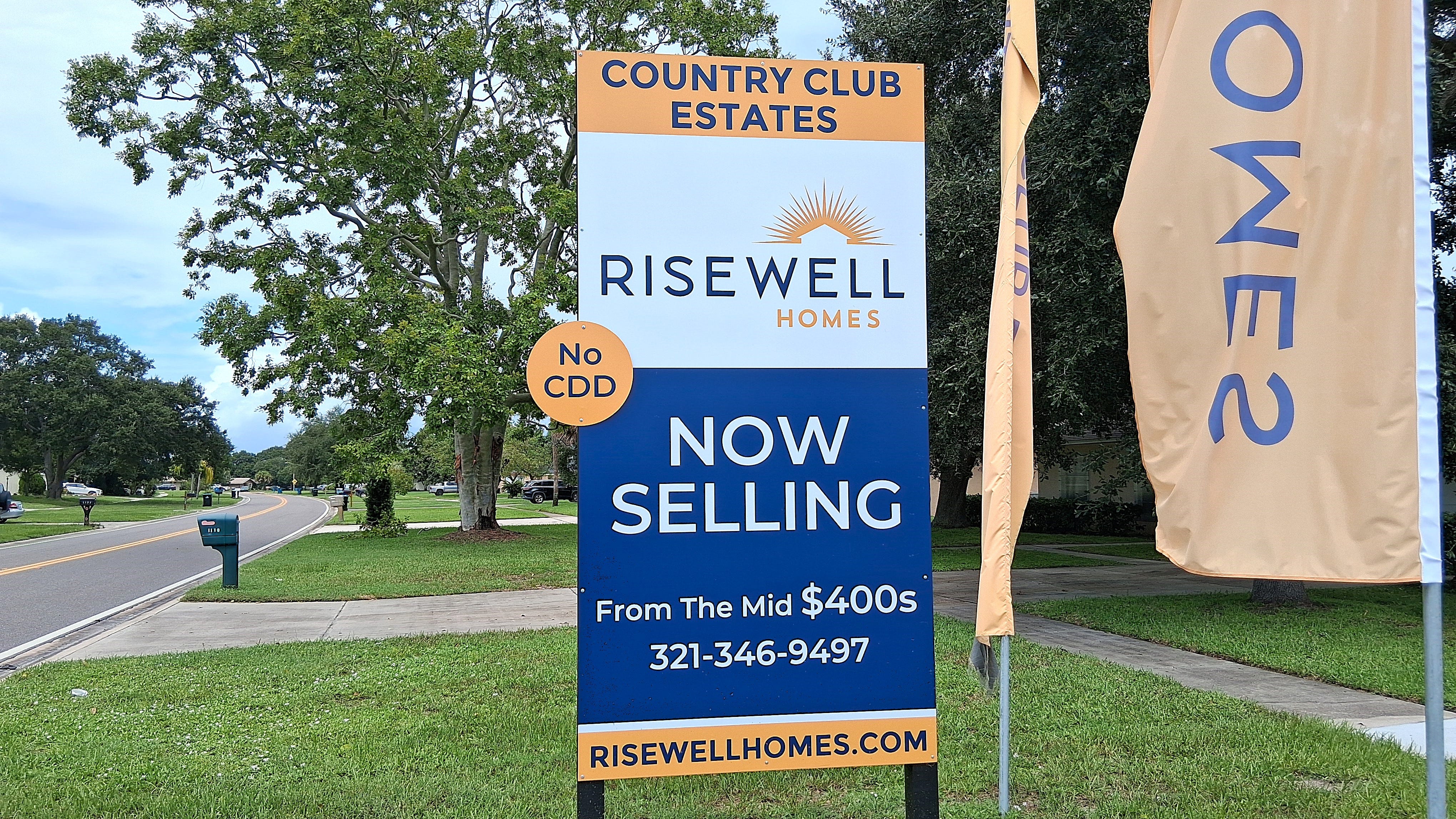
This particular neighborhood, Country Club Estates, is being built right on the old Port Malabar Country Club golf course. It’s what’s called an “infill” development. Because it’s surrounded by an older, established neighborhood (literally my backyard), the developer simply had to hook into the existing city infrastructure.
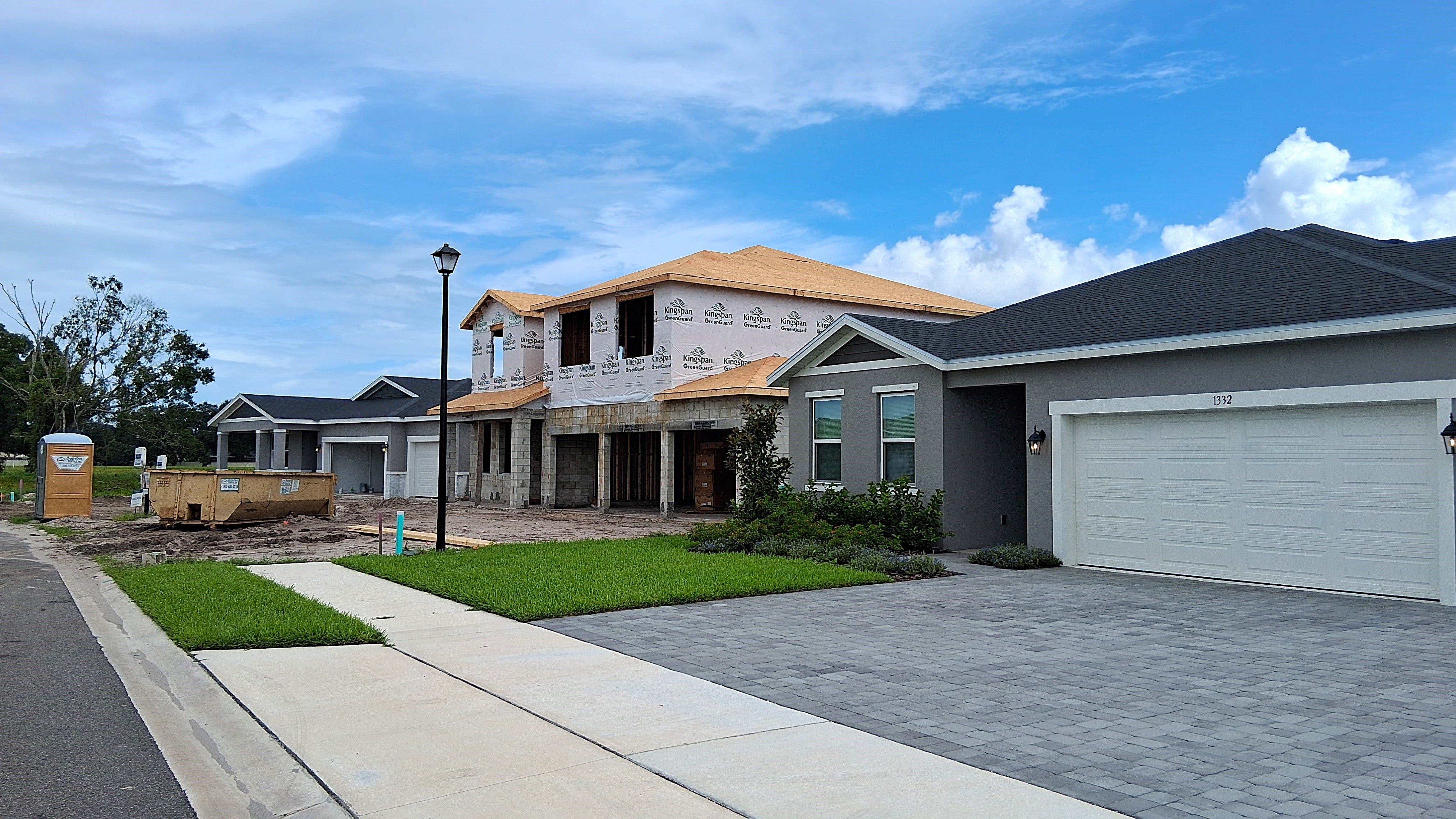
The homeowners association (HOA) fee here is only $60, a pretty good deal. And no CDD.
What is a CDD?
Back in the day, if a developer wanted to build a subdivision, they had to use their own cash or find more traditional financing. Often, they would build slower, one street at a time, and sell a few houses before moving on to the next street.
Today? There’s a legal framework some developers use called a Community Development District (CDD).
A CDD is essentially a micro-local government created specifically for that neighborhood. It allows the developer to issue low-interest, tax-exempt municipal bonds to pay for all that expensive dirt and asphalt. Wealthy Wall Street investors absolutely love tax-exempt bonds.
In 1980, the Florida Legislature passed the Uniform Community Development District Act (Chapter 190 of the Florida Statutes). The law was intensely lobbied for by powerful agricultural landowners, real estate developers, and Wall Street municipal bond underwriters who wanted a way to turn cheap Florida swampland and cow pastures into big money.
The developer gets to build the entire neighborhood using other people’s money, pocket the profit, and then turn over control to the homeowners and disappear. It is an incredibly sweet deal—for them.
So, who actually pays off those millions of dollars in Wall Street bonds? You do.
For the next 30 years, an extra “CDD debt assessment” (often $1,500 to $3,000 a year) is tacked directly onto the property tax bill.
Like the Country Club Estates I visited, not all developments have a CDD. All fees are always disclosed, but it helps to understand what you’re buying into.
🏛️ The CDD Model: “Taxation Without Choice”
The Infrastructure Debt is Locked: Homeowners have zero power to lower this portion of the bill. It must be paid, or the county will put a tax certificate on the home and foreclose on it.
The Board Controls the Budget: The “Operations & Maintenance” (O&M) portion of the CDD fee can change every single year. The CDD board meets annually to approve the district budget.
The Catch: In the early years of a neighborhood, the developer controls the board. And on top of the CDD, there’s still an HOA. Two fees, two sets of people with rules.
🏡 The HOA-Only Model: “The Special Assessment Trap”
Dues Can Rise Annually: Most HOA bylaws allow the Board of Directors to increase regular assessments by a certain percentage each year without requiring a vote from all the homeowners.
The “Special Assessment” Power: This is the most dangerous wildcard for a homeowner. If a major piece of private infrastructure fails and the HOA hasn’t saved enough cash in its reserve fund, the board has the legal authority to levy a special assessment.
The Penalty: If a homeowner can’t afford to pay an increased fee or a sudden special assessment, the HOA has the legal right to place a lien on the home and eventually foreclose on it—even if the homeowner is perfectly current on their mortgage.
Either way, here’s what you should keep in mind.
If a hurricane rolls through Brevard County and erodes the neighborhood’s central drainage lakes, the developer isn’t coming to the rescue, and neither is Palm Bay. The city will tell you it’s a localized district asset, independent of city funding. The homeowners have no choice but to raise the fees on themselves.
There’s a lot to think over when buying a house. Are you actually going to use the community pool, or step foot in the clubhouse?
Each development offers different amenities—some none at all. Sometimes a CDD home will come with a lower price or added incentives, and many developments offer lower mortgage rates.
Modern master-planned developments are clean and highly organized. Everything is brand new. If you are entirely in love with the resort vibe and a massive lagoon, it might be the right fit for you.
But sometimes, the older house with a big yard and a lifetime fee of exactly $0 is the real luxury.
📊 Poll: What is your real estate language?
When you’re looking for a place to live, which trade-off actually feels like the right move for your wallet and lifestyle? Cast your vote below!
Option A: The Resort Life 🍹
A brand-new home in a gated development. It comes with all the bells and whistles—a modern pool, fitness center, and a pristine clubhouse. You pay both an HOA fee and a monthly CDD bond assessment on your tax bill.Option B: The Sweet Spot Infill 🏡
A brand-new home in a smaller, localized development. No resort-style amenities, which means zero CDD fees and a low HOA fee just to maintain basic neighborhood infrastructure.Option C: The Total Freedom Route 🌳
An established or older home with a bigger yard. It might need a little sweat equity or modern updates, but it comes with no lifetime fees.