


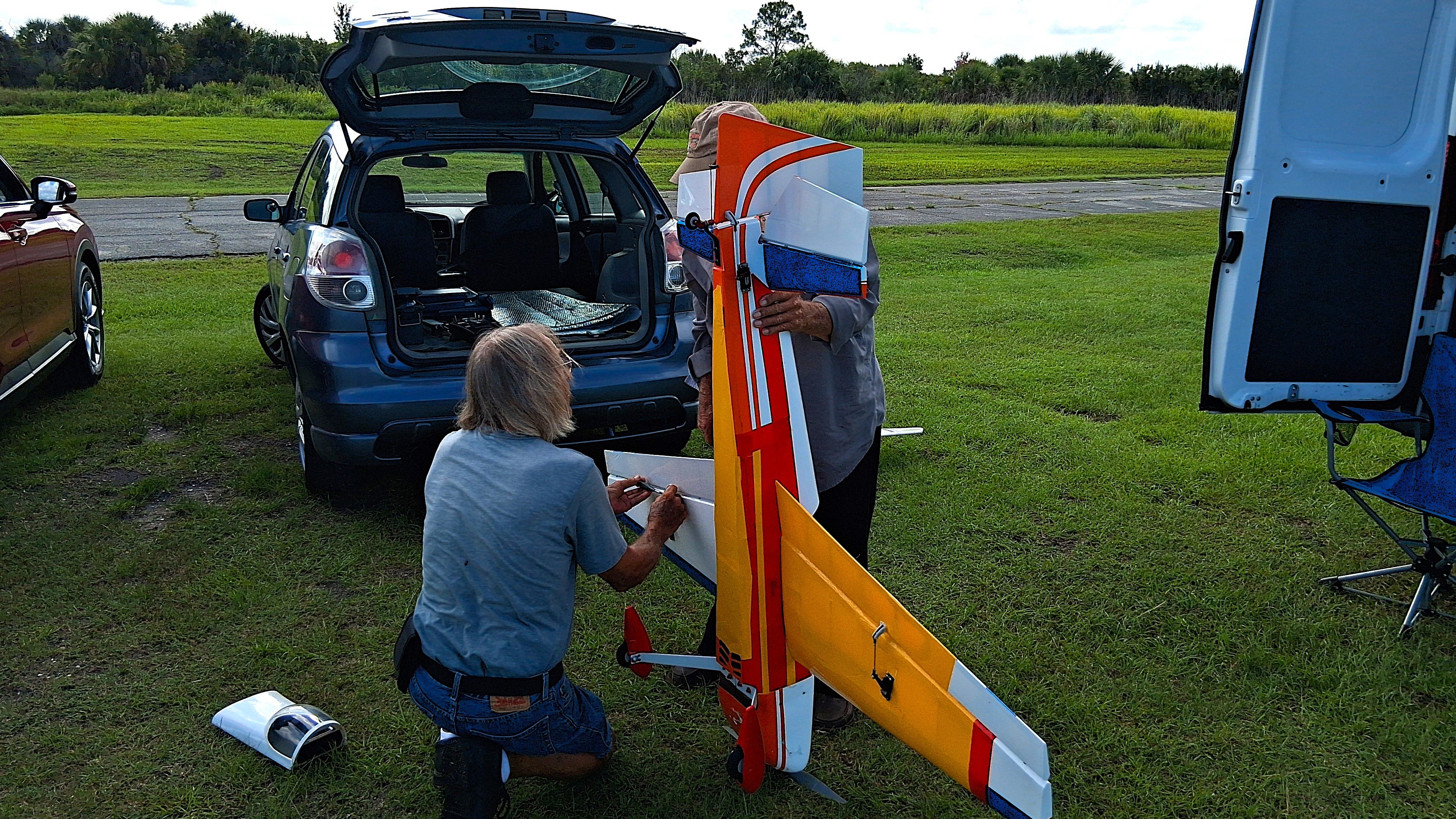
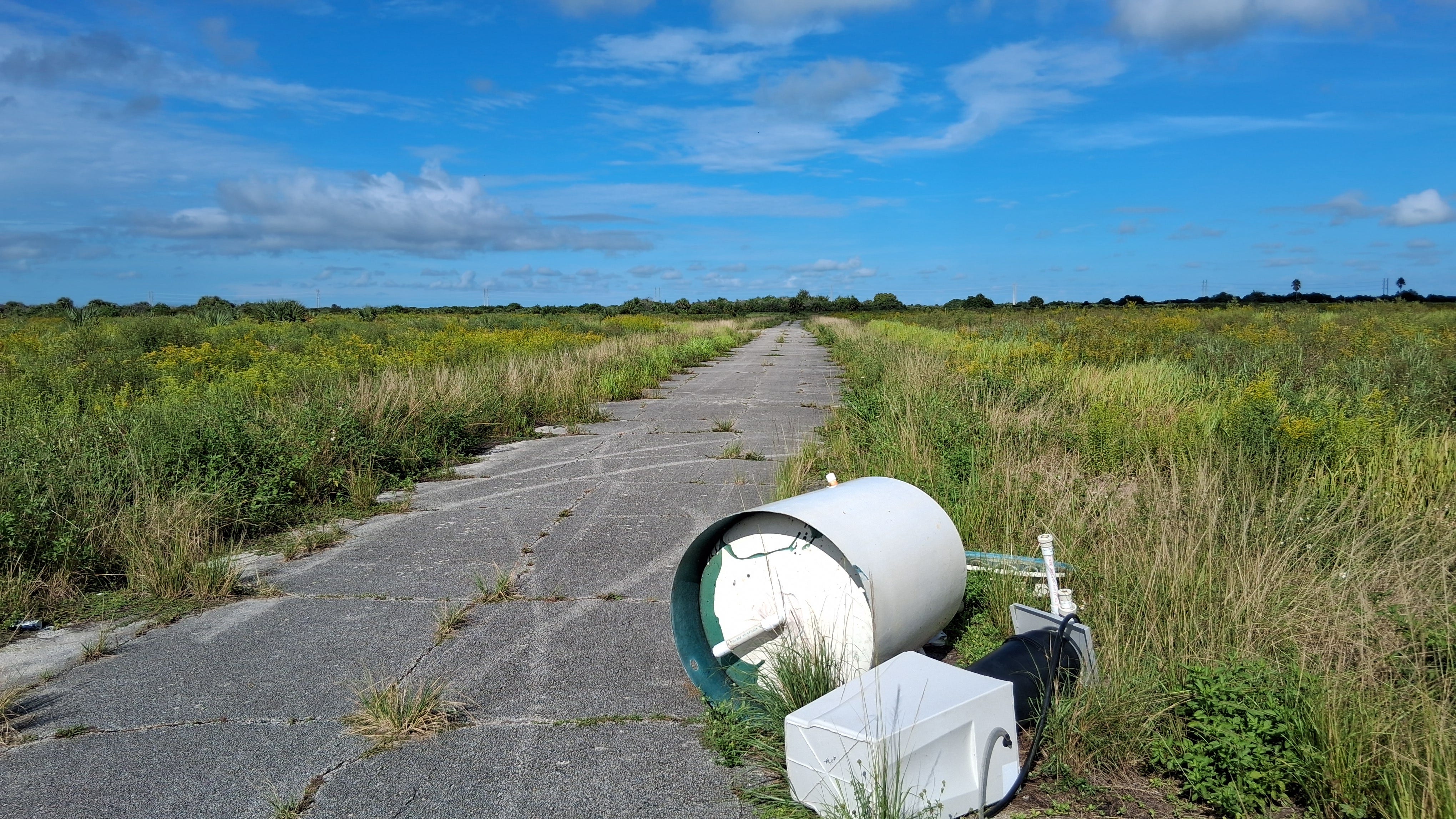
Just about everyone in Brevard County has heard about The Compound, the 2,784-acre abandoned development in Southwest Palm Bay. For 35 years it’s been a no-man’s land, crisscrossed by a labyrinth of poorly constructed roads. Because it’s so desolate, it’s become notorious for murder, arson, and illegal dumping—while simultaneously serving as a hotspot for weekend dirt bikers and RC plane hobbyists.
I took a ride out there this morning to see for myself.
To better understand what’s going on with The Compound today, we need to take a quick look at its history.
The Background
The Compound land was owned by General Development Corporation (GDC), the company that was the original force behind modern Palm Bay. Their business model was simple: buy cheap land, divide it into quarter-acre lots, and sell them to out-of-state buyers through aggressive mail-order campaigns.
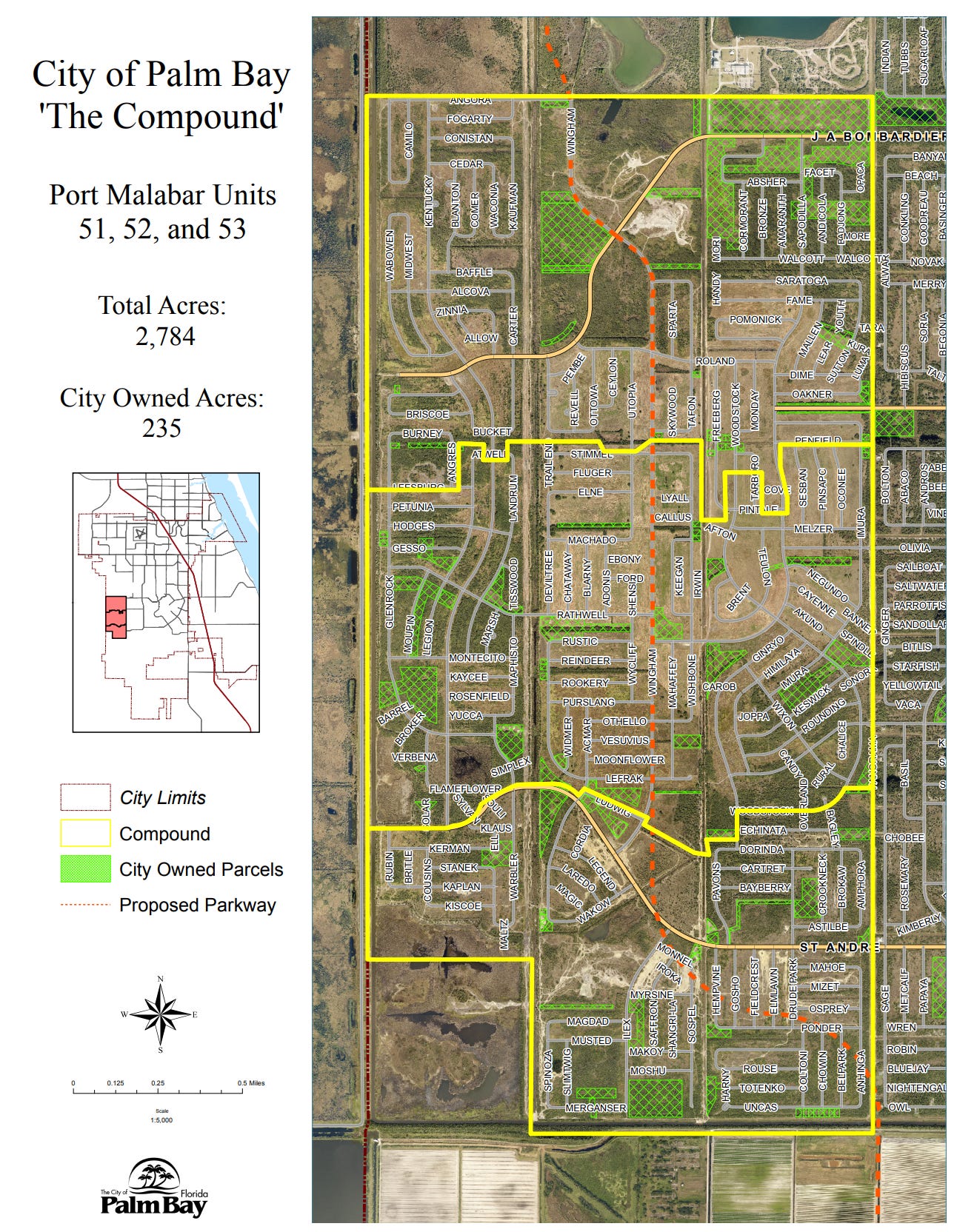
As Palm Bay rapidly grew, GDC eventually reached its southwestern edge, officially cataloged as Port Malabar Units 51, 52, and 53, and later known as The Compound.
The Problem
The land was platted into 4,978 distinct property parcels. Below, I pieced together zoning sections to see how crazy the original map looked.
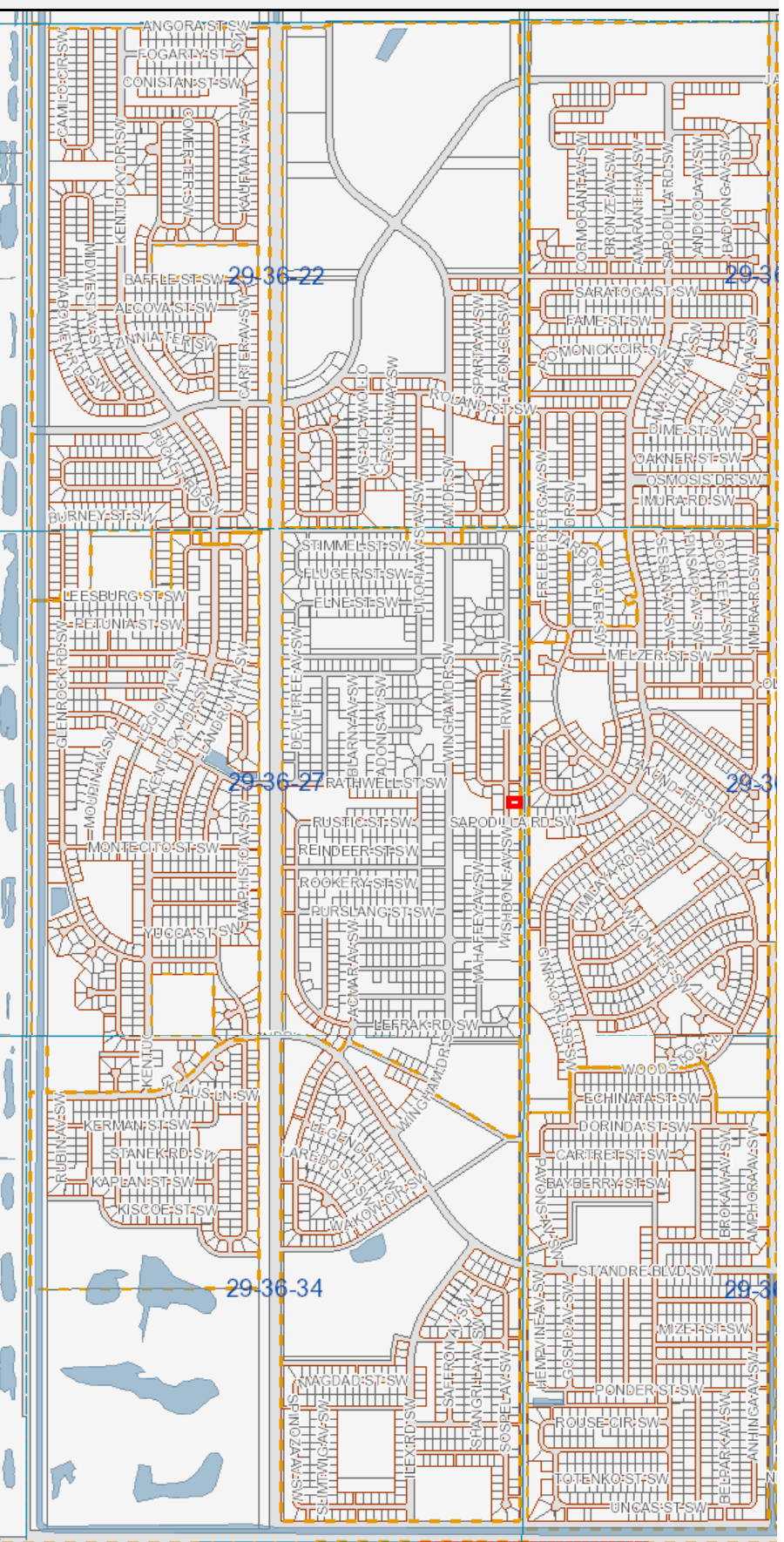
Between 1988 and 1990, GDC laid down 200 miles of cheap asphalt roads and immediately began selling random lots. Utilities would come later—they said.
But in April 1990, GDC collapsed into Chapter 11 bankruptcy under the weight of massive debt and, of course, a federal land-fraud scandal.
Because GDC sold the land off piece by piece before going under, it left behind a logistical nightmare: over 2,700 individual property owners scattered across the globe, each holding deeds to 1/4-acre patches of scrubland.
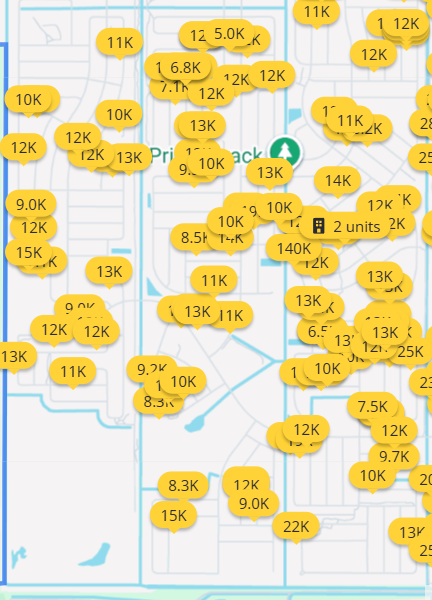
You might think this land would be worthless, but with a future vision starting to take shape there is a surprisingly active speculative market out there. These unbuildable lots are routinely listed and sold—not for future residential use, but for the necessary consolidation of lots for eventual business development.
The Future
So, what are the current plans? After decades of scratching their heads, Palm Bay leaders finally have a clear roadmap. The city recently pushed forward its Compound Redevelopment Action Plan, backed by a federal EPA revitalization grant.
The city mapped out a 5-to-8-year vision, which includes:
Phoenix Business Park: Proposed utility extensions to bring water and sewer lines to 62.5 acres near Bombardier Boulevard.
Land Assembly: Merging scattered private lots into large, usable commercial parcels using land-swaps and strategic buyouts.
Road Infrastructure: Upgrading internal, high-capacity streets to safely handle heavy industrial and commercial vehicles.
Commercial Development: Opening the door for nearly 1 million square feet of light manufacturing, industrial, and retail spaces.
Conservation Frameworks: Mapping out preservation zones and managed trail systems along the eco-sensitive western edge.
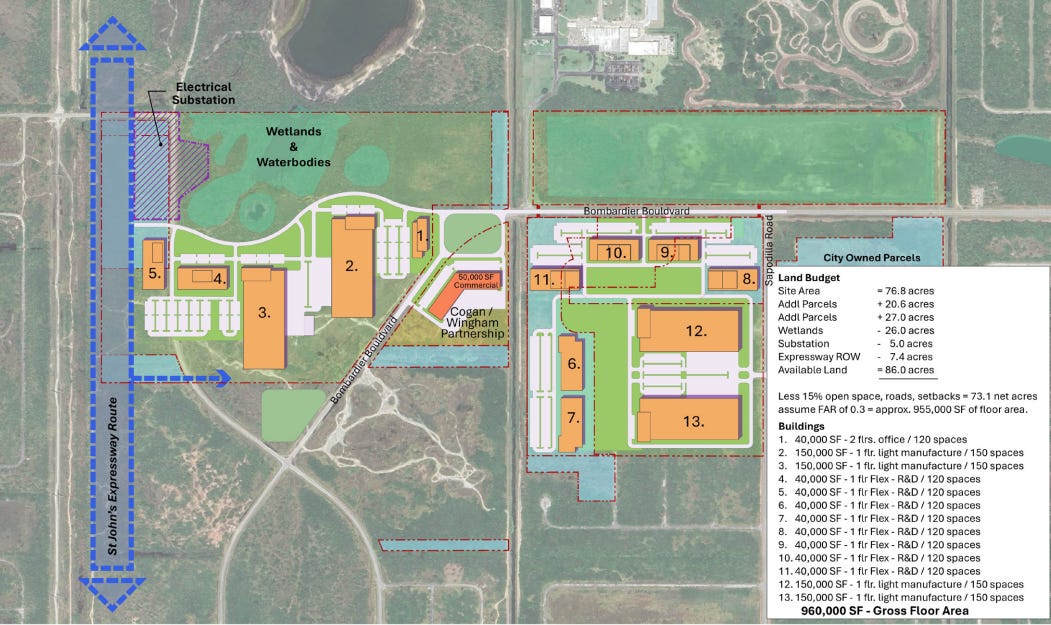
The massive residential community GDC originally envisioned is officially dead. The logistics of running water and sewer lines to thousands of individual lots are impossible. Instead, the city is zoning the northeast quadrant (Port Malabar Unit 53) for a business and light-industrial park.
The strategy relies on land assembly, parcel consolidation, and potential land swaps to stitch large enough pieces of city-owned land together for commercial use.
Along the west and southwest sections of The Compound, where the grid meets the Three Forks Marsh Conservation Area, the city is planning an Eco-Tourism Zone. This area is earmarked for environmental protection, stormwater management, and official hiking and biking trails. If this comes true it will be a small win against a sea of development.
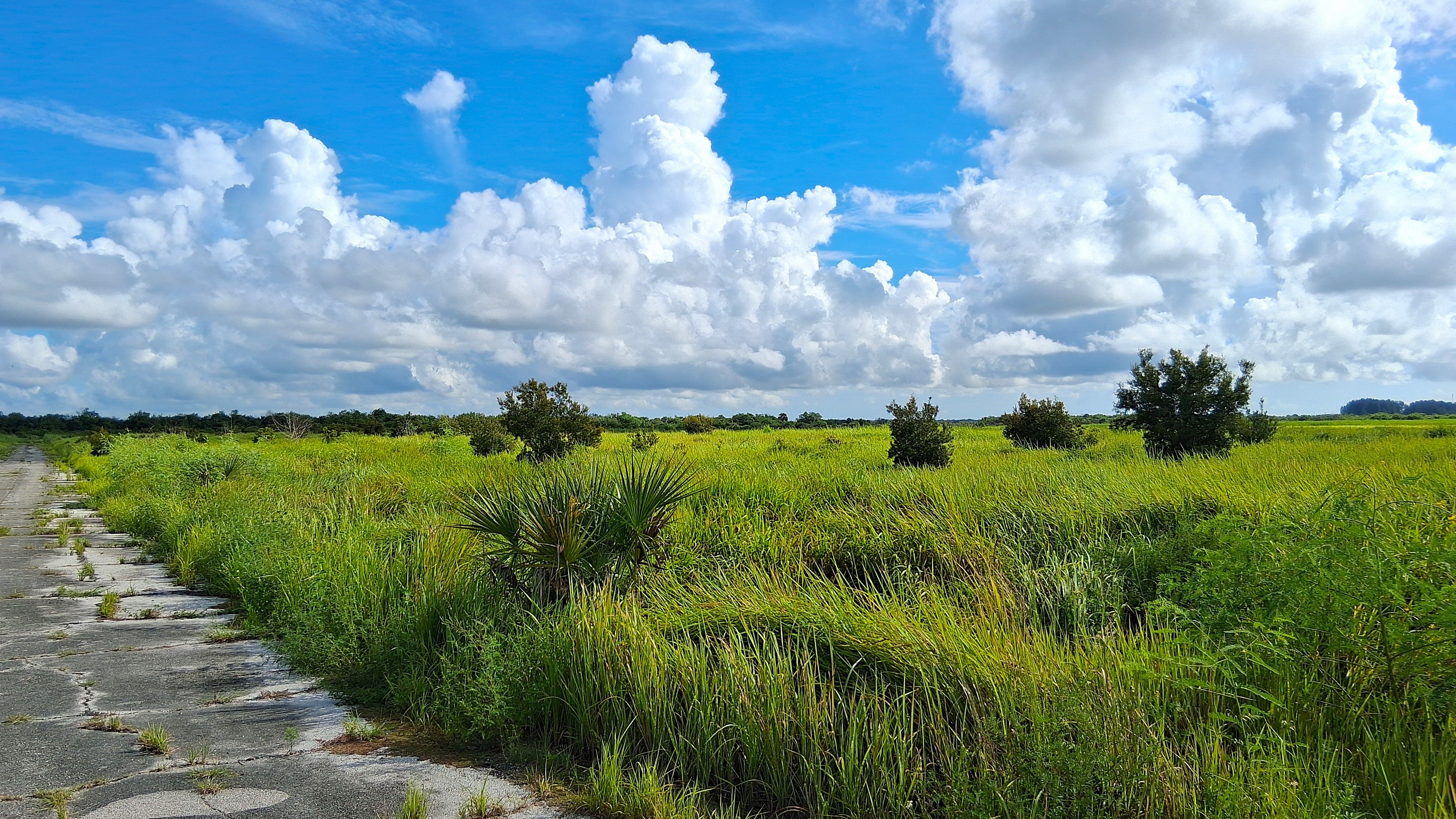
If the northeast quadrant is for factories, the west for hiking trails, and after the Parkway finds its way through, what happens to the empty lots left in between?
They are effectively stuck in a holding pattern. The city has made it clear that owning a lot out here doesn’t mean you have a right to a water line. Palm Bay isn’t spending millions to run pipes to scattered parcels. Instead, these remaining residential sectors will act as a buffer zone between heavy industry and the rest of the city.
For the thousands of out-of-state deed holders, the future relies entirely on speculative land assembly. It’s a very long waiting game: wait for the new business park to thrive, wait for developers to buy up whole blocks of lots, wait for the Parkway, and wait for the infrastructure to slowly creep its way south over the coming decades.
This new vision faced its first major test in August 2026. In a tense 4-to-1 vote, the City Council blocked a proposed 30,000-gallon bulk propane facility deep inside the area. Citing severe brush fire risks, a lack of fire hydrants, and the logistical danger of heavy fuel trucks navigating small side streets, officials and residents drew a hard line. The veto proved that while Palm Bay wants development, it will strictly control who gets a foot in the door.
The Catch
The city can’t build an industrial park if the only way for semi-trucks to get there is by rumbling through quiet suburban neighborhoods.
The entire plan hinges on one critical piece of asphalt: the St. Johns Heritage Parkway.
Right now, the Parkway is broken into two disconnected halves. The northern segment dead-ends at Malabar Road, and the southern segment terminates near Babcock Street. Connecting these segments is the only way the city can truly reclaim and transform The Compound.
The Parkway’s final path through the Compound has yet to be officially determined.
Ultimately, the route will function as a split corridor. In both the north and south, the Parkway will cut through a boom of modern residential subdivisions. It will then transition into a strictly industrial, commercial, and eco-tourism hub as it crosses into the old boundaries of The Compound.
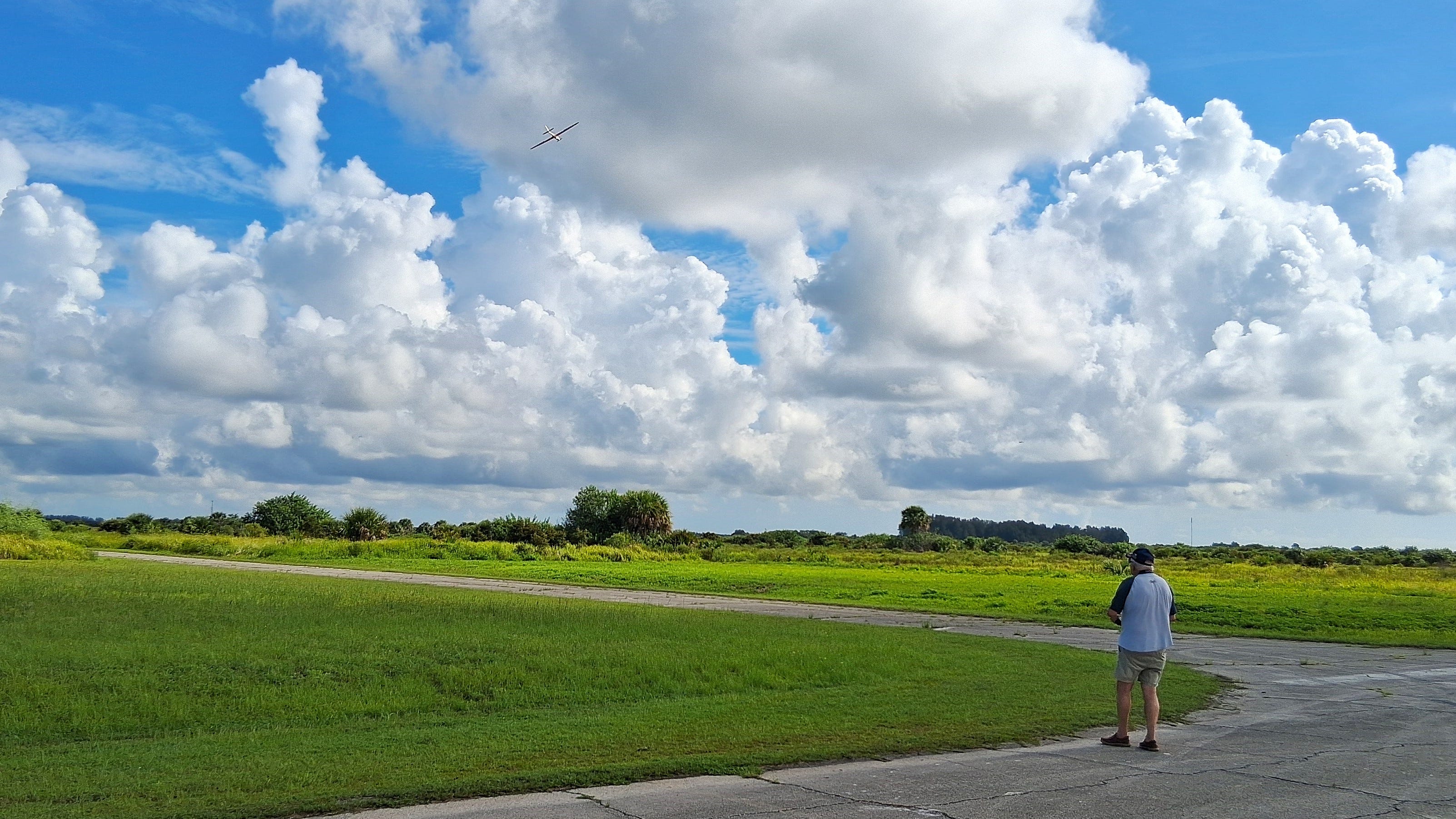
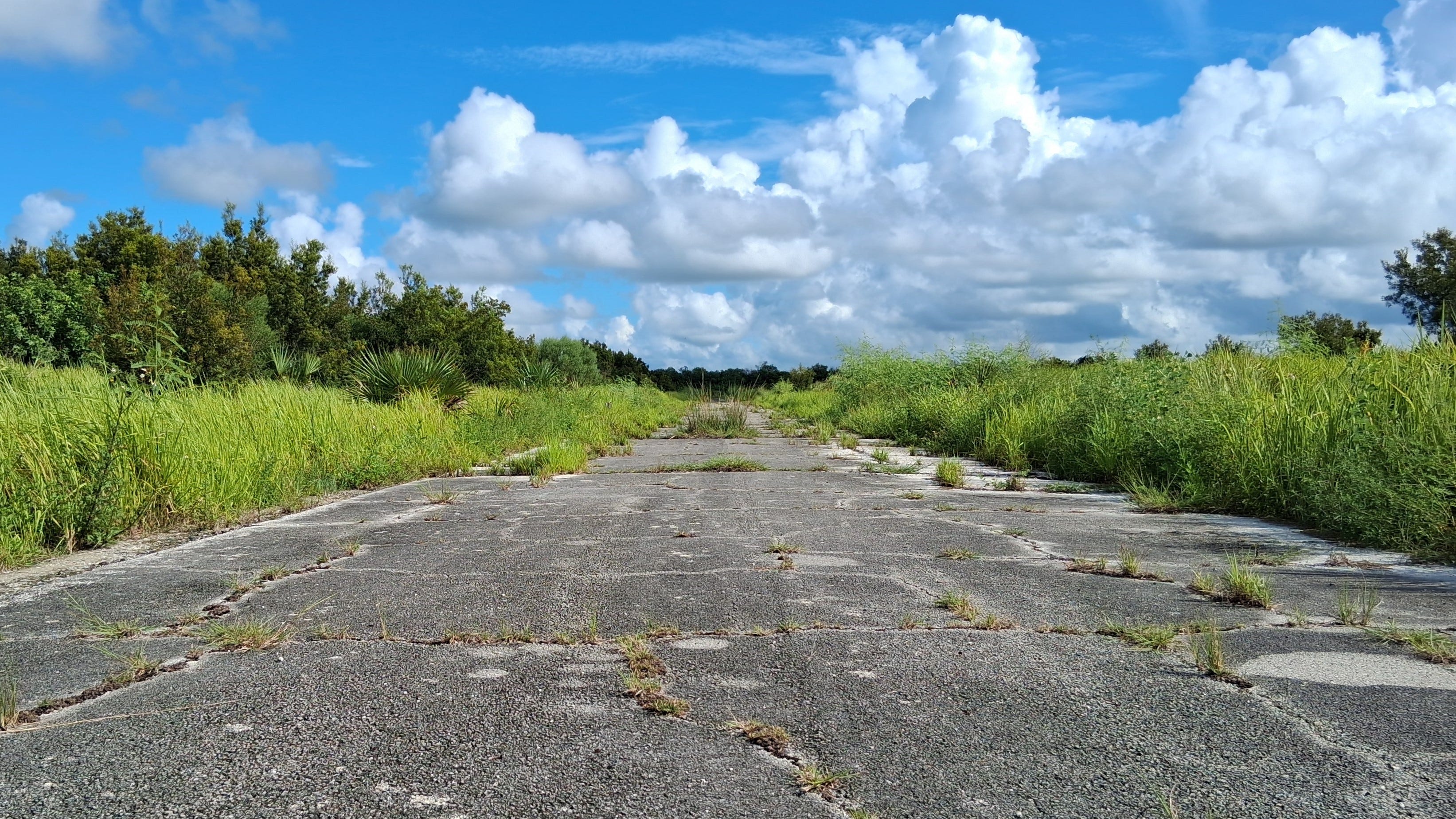
Until that missing link is built, the paved roads to nowhere will remain exactly what they’ve been for 35 years—Palm Bay’s wild backyard.
— Nathan
Click for more information about St. Johns Heritage Parkway.
Quick Disclaimer: Information and images in this article are not guaranteed to be accurate. I do my best to research the topics and visit the areas in person, but sometimes information can be conflicting, misleading, or outdated. I’ll make corrections as soon as I learn more.
Contact me at: 321southbrevard@gmail.com