


I’m not a wealthy investor. So, when I read about a $100-million luxury apartment complex, it’s beyond my understanding. But this is one of those things that makes me shake my head, just a little.
For years, I would drive past the large empty lot on the corner of US-1 and Port Malabar Boulevard, wondering what it would become. I remember looking up that location online and discovering it had once been a shopping plaza. There was a Winn-Dixie there, as well as an Eckerd Drug store.
The plaza sustained serious hurricane damage in 2004 and was completely torn down by 2006. That damage made sense to me. The elevation of that empty lot always looked low, with nothing but US-1 protecting it from the Indian River.
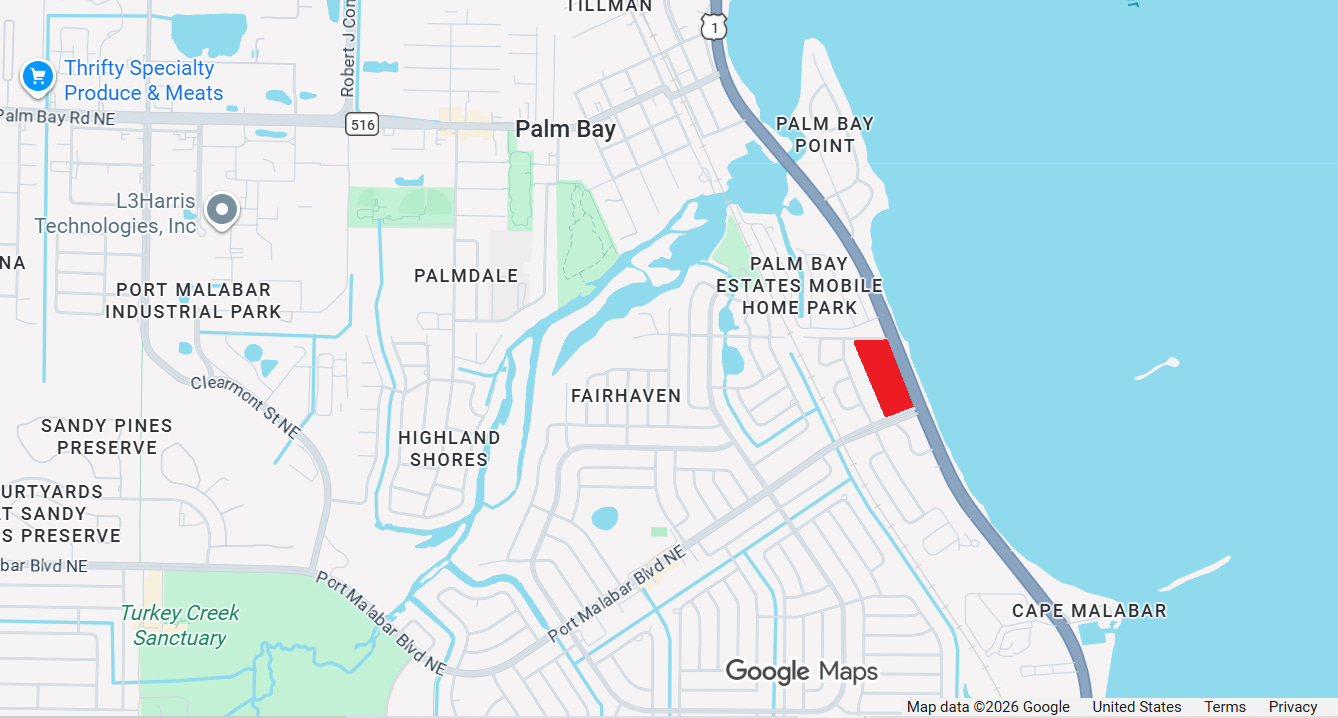
During those years, I had my own vision for that land: it should have been a park. After all, there’s only so much damage a hurricane can do to a park. I had it all figured out in my SimPark mind. Just put in a parking area and a long walking path. Plant a lot of shade trees, place a fence along US-1, and there would still be plenty of room for an event space for concerts and fairs.
But not too long ago, reality showed up. Construction crews moved in, and it soon became obvious a large apartment complex was going up.
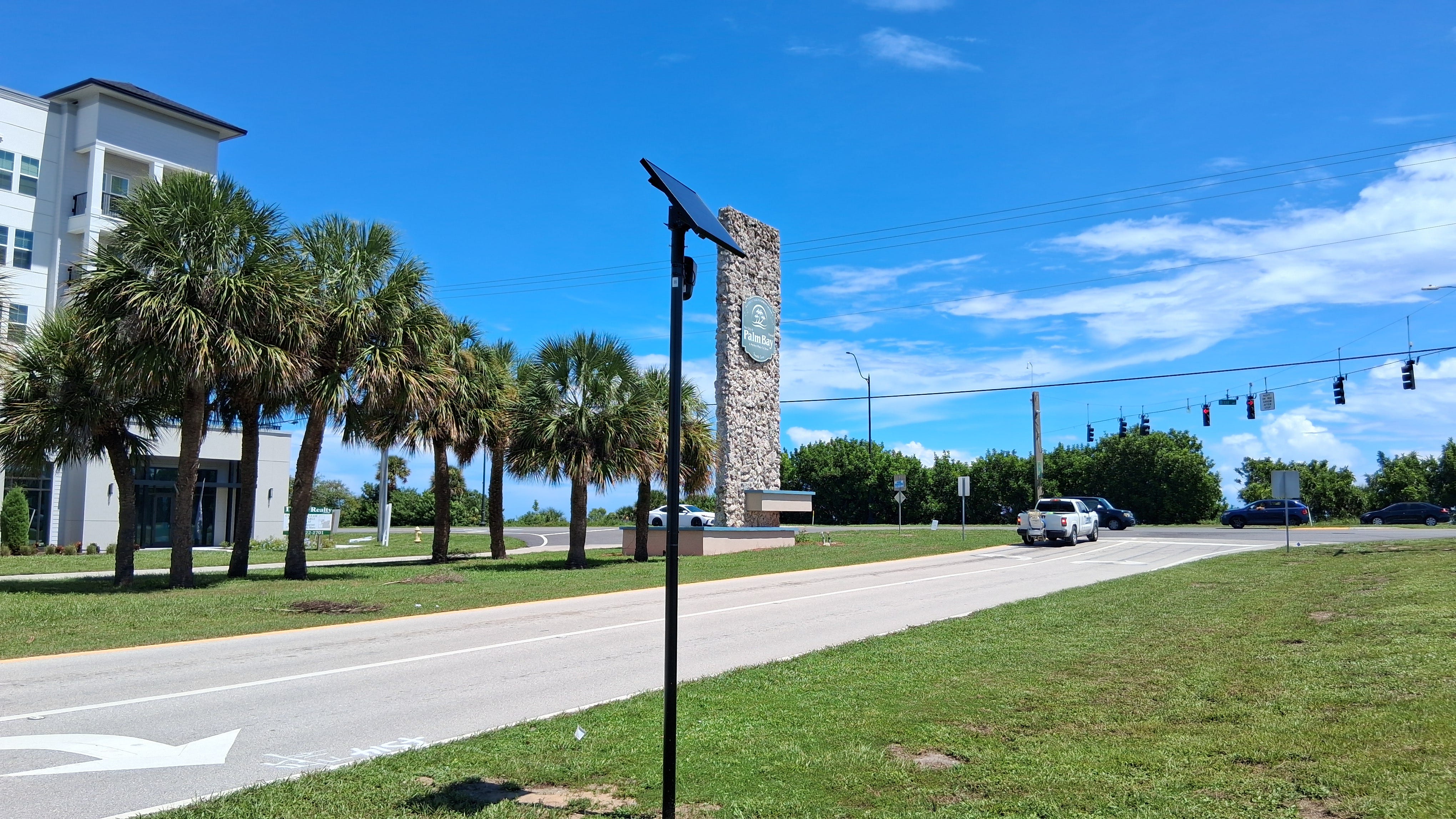
Today, driving east on Port Malabar Boulevard, you can see the structure from a good distance. A bit of a white elephant overlooking the surrounding ranch homes. Getting closer, you can see the sign: Tides at Palm Bay Luxury Apartments.
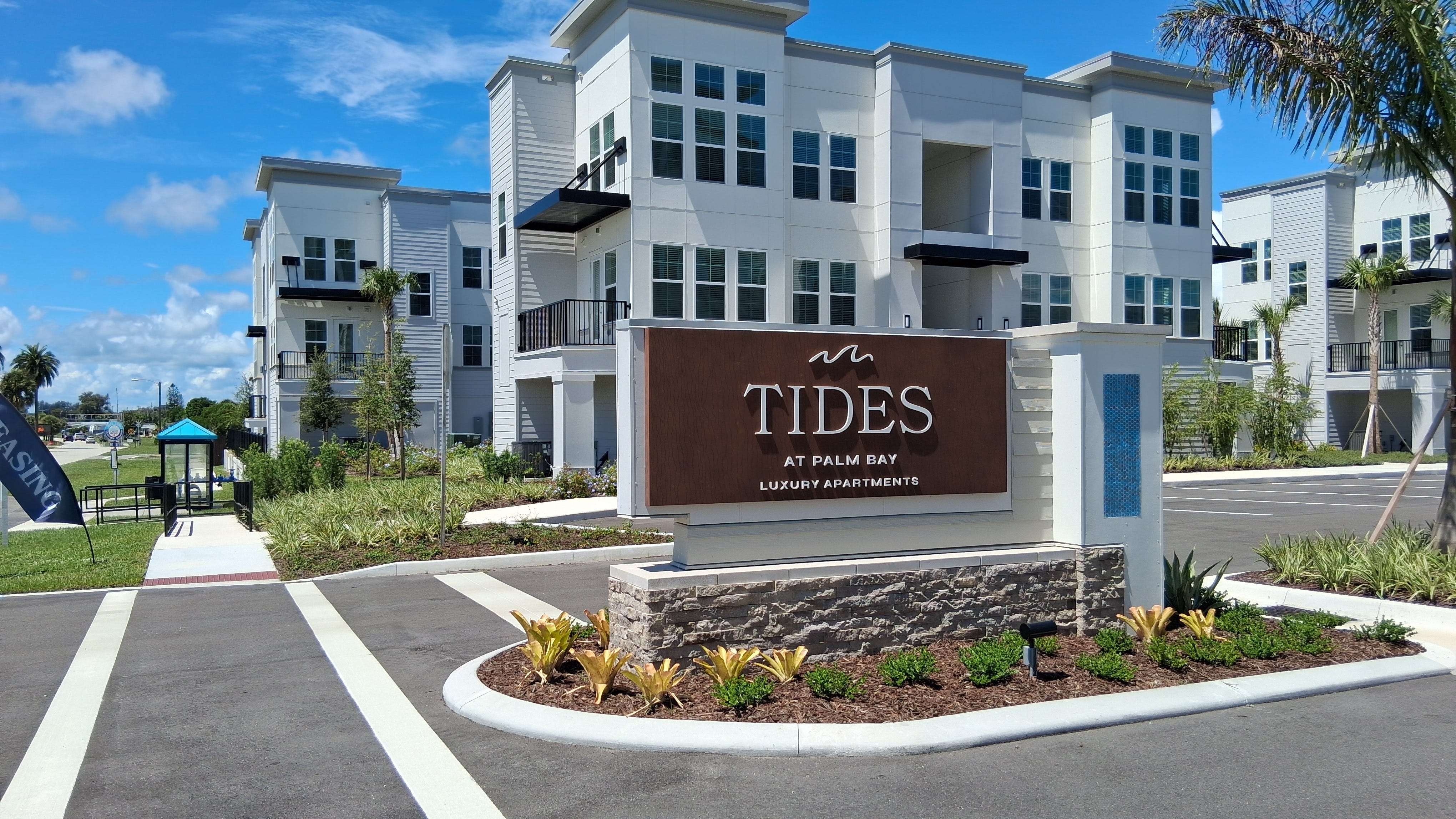
Without getting into a deep dive, here’s all I know from a quick Google search:
The Developer: Woodfield Development
The Total Cost: $100 million
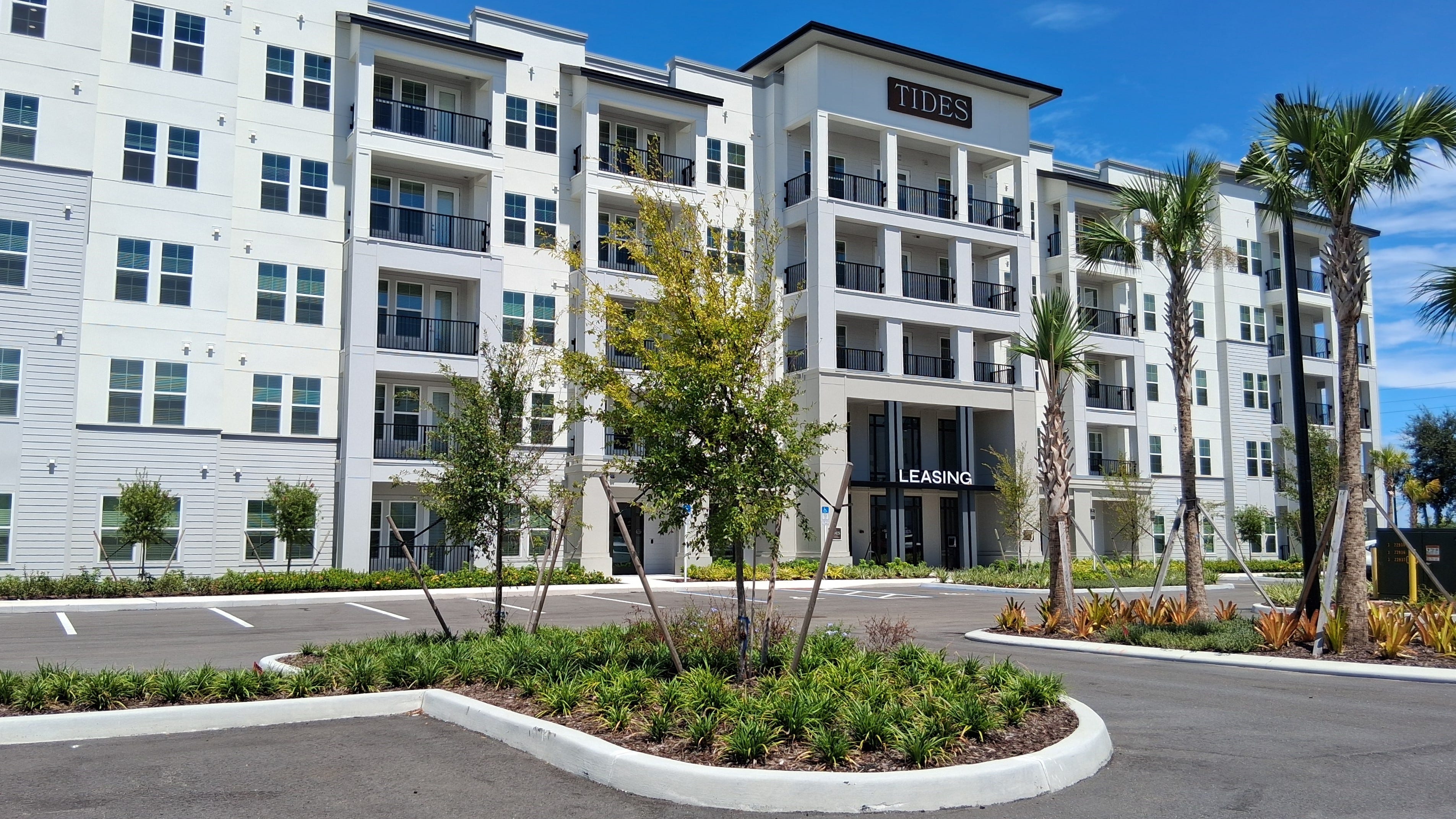
The Scale: 318 luxury apartments split across two five-story structures and townhomes
The Rent Prices: Monthly rates span from $1,600 for a studio up to $4,200 for a three-bedroom layout
The Commercial Space: 19,000 square feet of ground-floor retail and restaurant room facing the road
The Perks: A resort-style pool deck and a signature two-story Sky Lounge
What are the investors thinking? Honestly, from a purely corporate standpoint, their strategy is pretty clear:
Capture the Rocket Economy: They see the influx of high-paid aerospace and defense workers moving here for giants like SpaceX, L3Harris, and Northrop Grumman.
Monetize the View: They know people will pay a premium for waterfront luxury. In their eyes, a top-tier rent price makes sense when paired with a two-story Sky Lounge overlooking the Indian River Lagoon.
Build a “Built-In” Market: Placing 19,000 square feet of commercial space with 318 luxury units means they are creating their own customer base for whatever trendy businesses move in.
Now for a little fun: my skepticism. Keep in mind there’s probably a reason they have $100 million to spend on an apartment building, and I don’t.
First of all, 318 apartments is a lot, and it isn’t. I have little doubt they can find 318 renters. In the overall scheme of things, it’s not that many. Will they be offering incentives if it doesn’t fill up fast?
I wrote that question down as a hypothetical, but a quick check of active listings right before posting this article gave me a real-time answer: yes.
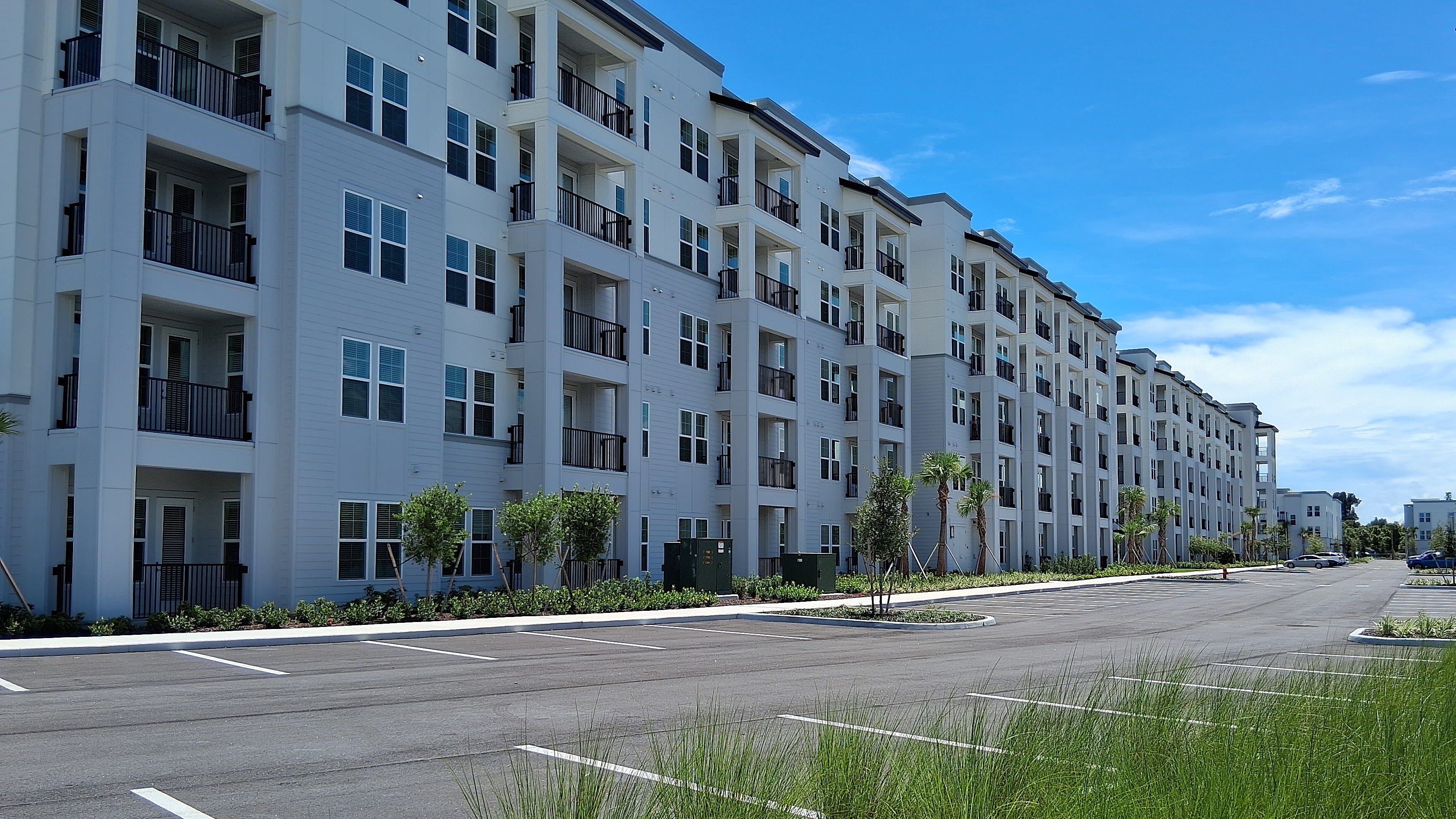
In case anyone hasn’t noticed, apartment buildings are growing like weeds across Brevard County. If you’re paying luxury rent, you have tons of choices. In fact, purchasing a brand-new house with similar amenities is a legitimate option.
But if I were a young, high-earning techie, I’d be looking for a high-energy neighborhood—somewhere within striking distance of fast-casual staples like Chipotle, Chick-fil-A, and Five Guys. Instead, the only things within walking distance of Tides are a dollar store and a laundromat.
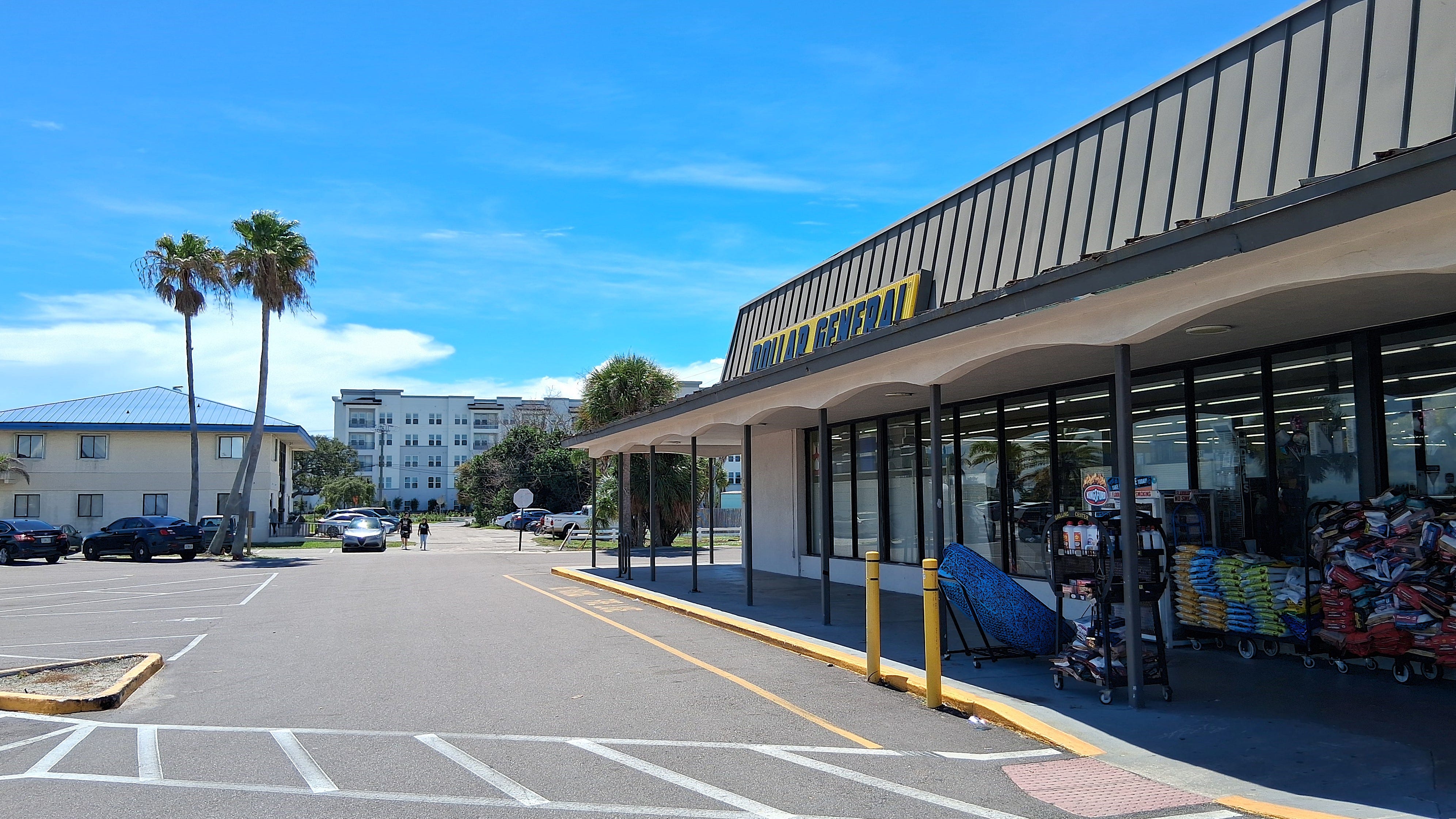
I can’t help but ask: why there? Why drop a “luxury” complex into an older neighborhood, three miles from shopping, out at the end of Port Malabar Boulevard? The river?
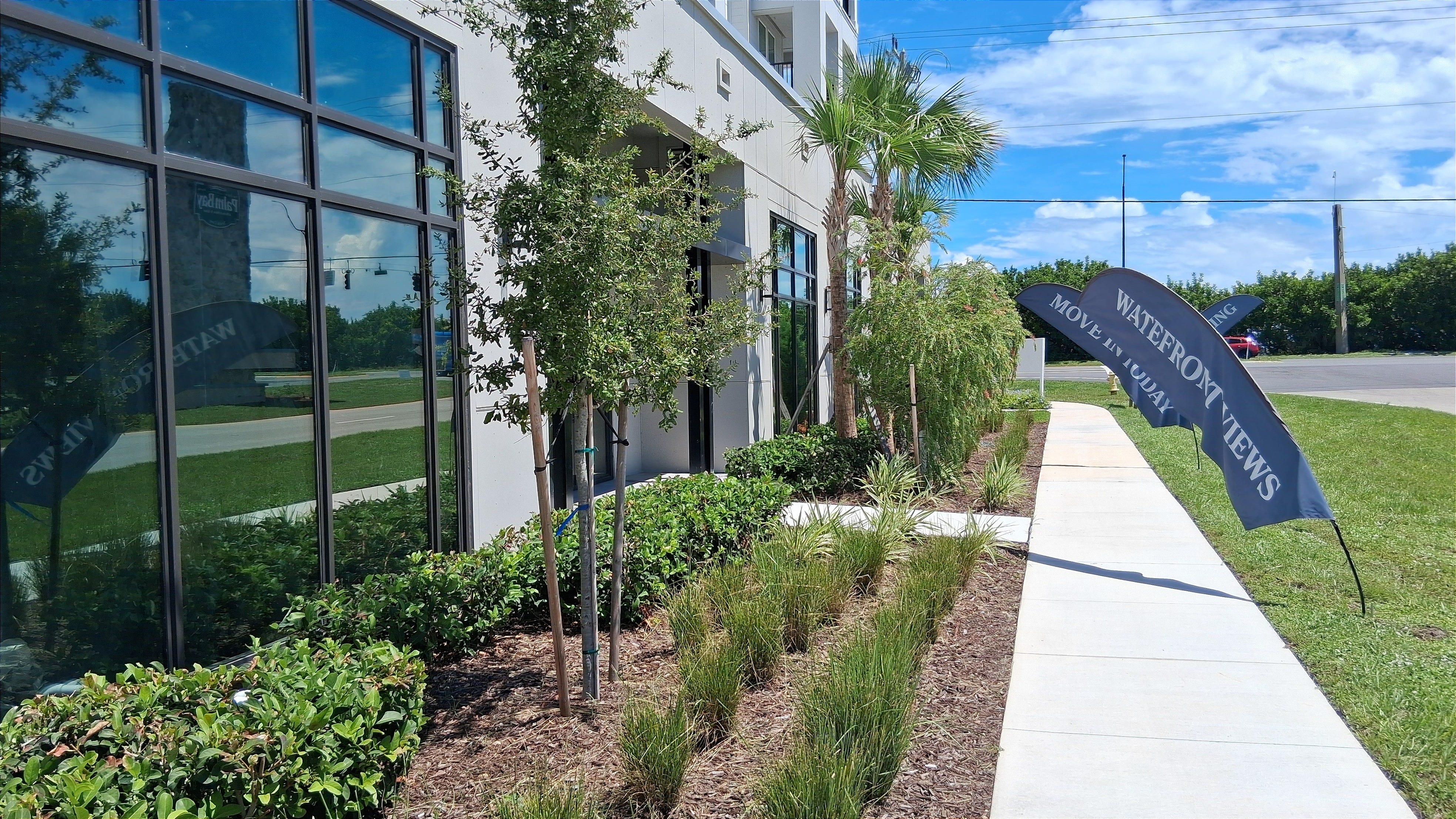
I suppose the view is nice from the upper floors, if you’re on that side of the building. But there’s no usable waterfront. There are no crosswalks on US-1, and even if you dodge the traffic, there’s no small beach or walkable area along the water’s edge.
Speaking of walkable, there’s really nothing of note nearby. The neighborhood was built in the 1960s, and the surrounding community of smaller homes is quiet, with its own style of early Palm Bay charm—a direct clash against a modern $100 million project. Just to the north is an older strip mall, and behind that is a trailer park.
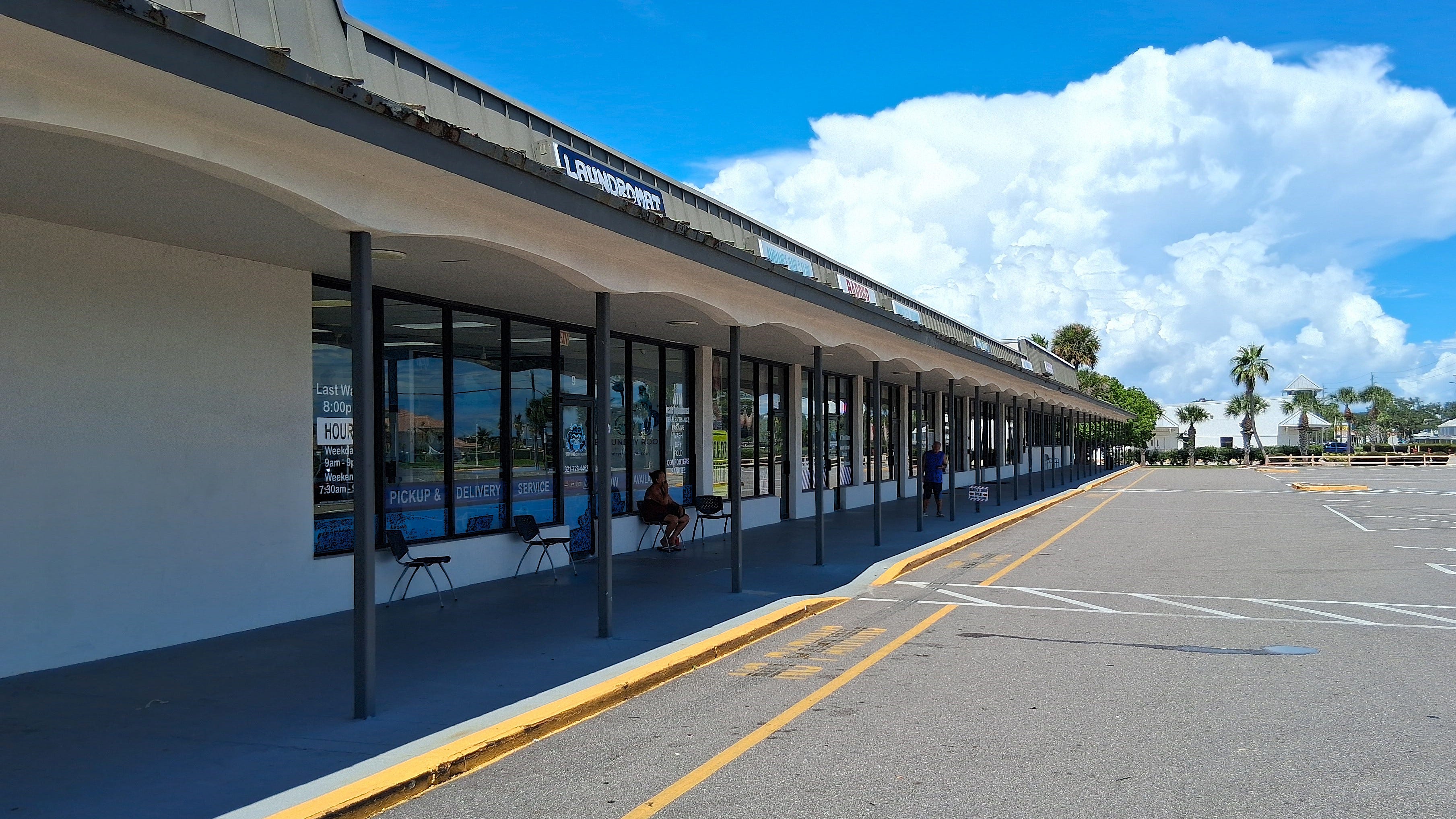
Which brings us to the Tides’ 19,000 square feet of commercial space. Again, I’m just a non-business person looking at this with my own version of logic.
Other than small offices, an incoming retail business would have to strictly cater to the apartment residents, unless it was something extremely enticing. Why? There’s zero foot traffic in that area, and the only parking is within the apartment complex itself. It seems unlikely many people are going to drive miles to an apartment building for a coffee and a donut.
Are 318 apartments enough to support a small business? My spidey-sense says no.
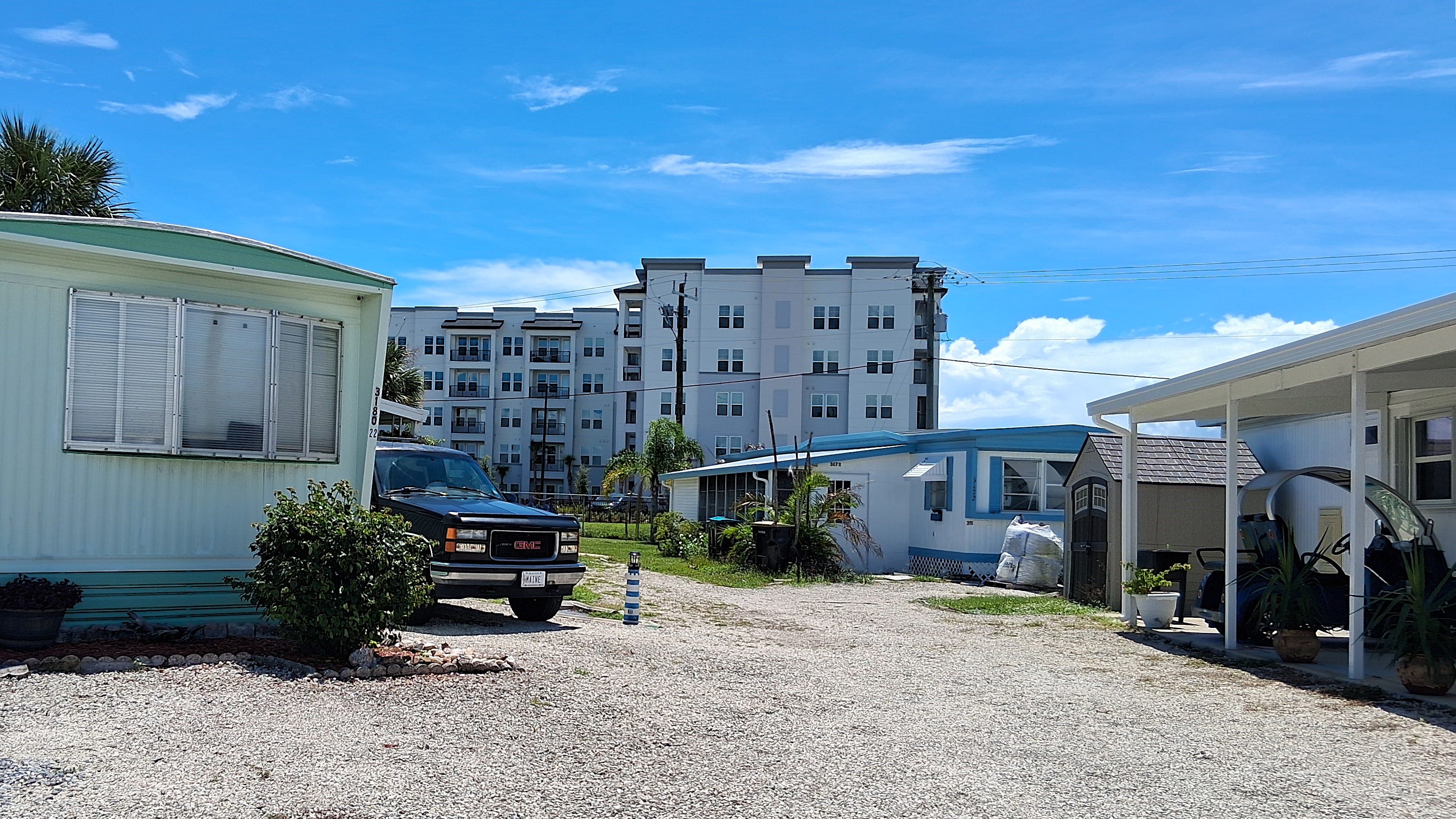
One last point. I understand the tech economy, but many new Palm Bayers I speak with aren’t coming here looking for luxury. They’re escaping high-priced cities like Miami and Fort Lauderdale, looking for affordability.
Time will tell. Tides at Palm Bay just recently opened. So far it still looks pretty quiet. I wonder how a $100 million investment works with something like this if it doesn’t pan out as planned.
I’d love to hear what you guys think. Am I completely wrong?
— Nathan
they should have hired you, all the points are spot on...