


Drive down Babcock Street or St. Johns Parkway right now, and the landscape looks unrecognizable. The changes are just getting started. Apartment complexes are springing from the dirt, and massive gated subdivisions are the new normal. But are you ready for the ‘mini-cities’?
The Rise of the Mini-Cities
Viera is approximately 50% developed, already home to 37,000 residents. Expect 70,000 when completed.
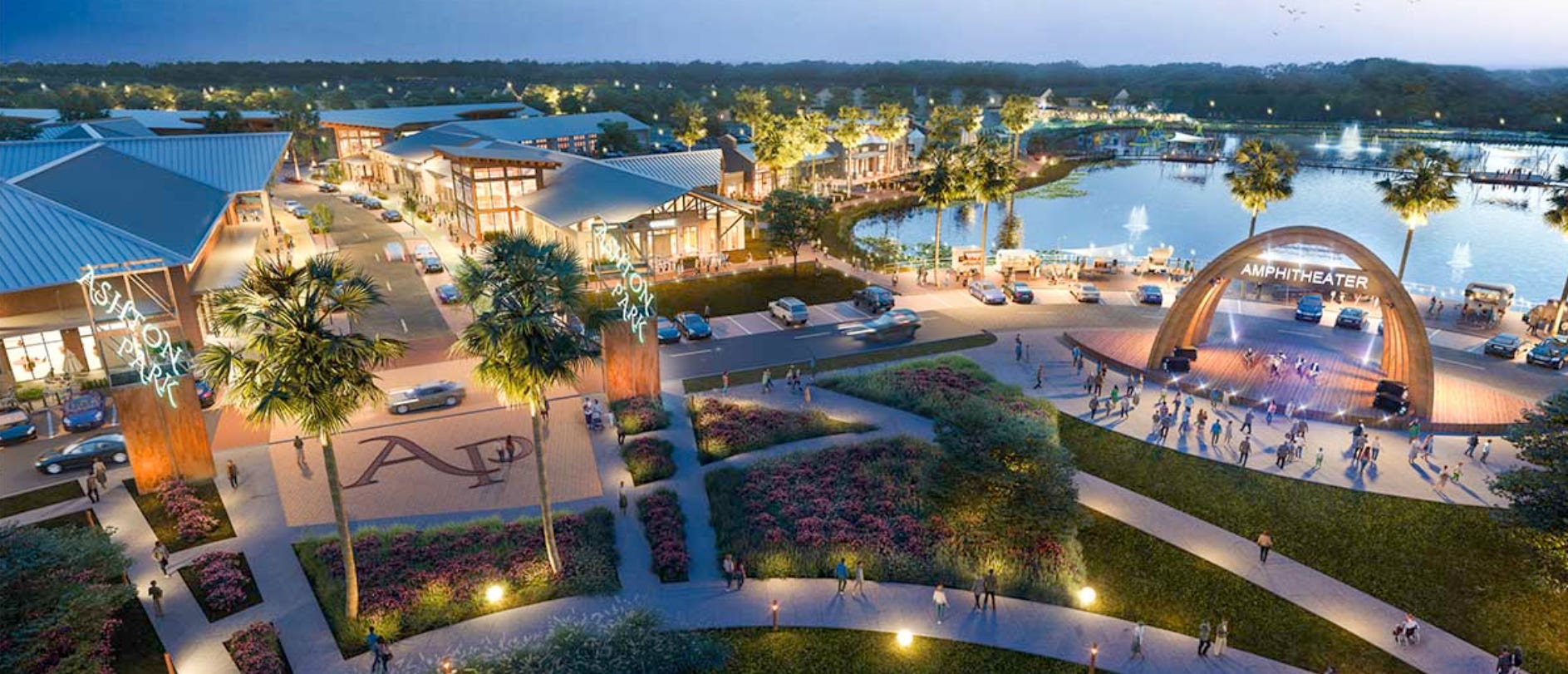
Ashton Park at the southern end of Palm Bay is expected to start construction soon, eventually bringing in 15,500 new residents.
Emerald Lakes nearby will add another 9,000 Palm Bayers.
Space Coast Town Center in West Melbourne will add 4,500.
Melbourne City Center on Babcock Street is projecting 11,400.
Add in the apartments, the suburban developments, the custom builds, the new hotels, and the shopping centers, and you’re starting to see where I’m going with this.
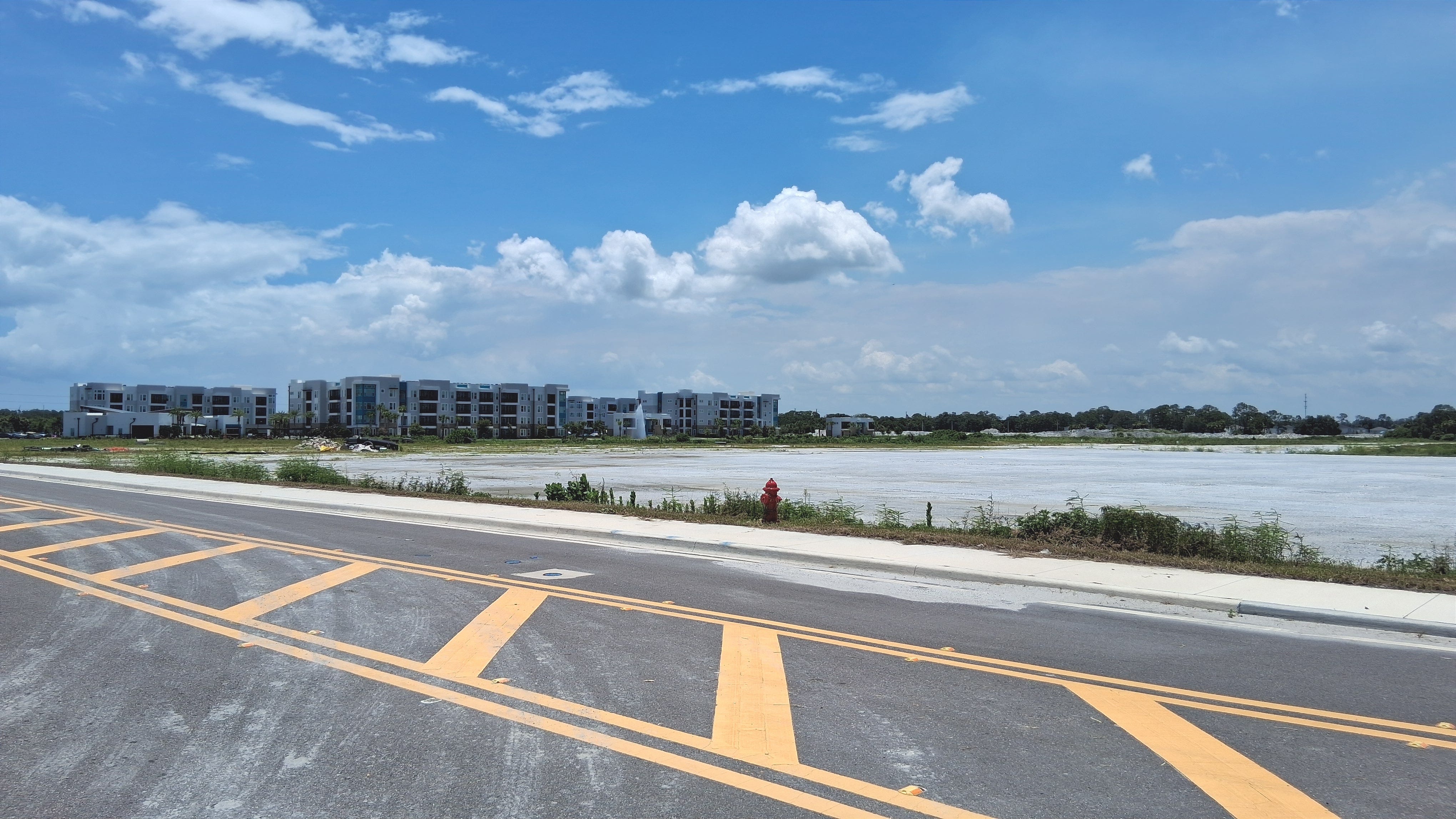
I’ve Seen This Movie Before
I’m watching this growth happening around me with a mix of indifference and fascination, but I can’t help but think I’ve seen this movie before.
On paper, the narrative is ironclad. We are told this is the unstoppable march of progress—a multi-billion-dollar aerospace and defense boom turning a sleepy coastal region into a major metropolitan hub.
Growth isn’t inherently bad, and Brevard has real economic engines driving it. But the current pace of development is starting to feel less like a measured response to demand, and more like momentum-driven overexuberance.
If you look closely, past the shiny developer renderings, you can see where cracks could form. Here’s a look at why this building boom might not be a straight line to utopia.
Small-Town Infrastructure, Metroplex Ambitions
The reason these massive developments feel so jarring is that they are dropped into infrastructure designed for a sleepy county, not a sprawling metroplex. Our two-lane roads, overtaxed utility plants, and crowded schools are facing massive growing pains trying to keep pace with the sprawl.
(The developer funding structures and local zoning laws behind who actually pays for these upgrades deserve their own deep dive—and I’ll cover that in a future article.)
Tied to the Federal Faucet
Beyond physical roads, there is a deeper economic vulnerability: continued federal spending. Brevard’s current boom is partially fueled by government defense contracts and aerospace funding. If that federal faucet ever tightens, we risk being left with half-built mini-cities.
The Boom-and-Bust Cycle
Believe it or not, Brevard County is still relatively affordable compared to much of coastal America. Even with living costs rapidly rising, it remains an attractive bargain for retirees escaping northern cities and tech professionals chasing the aerospace boom.
But historically, when you see this level of hyper-growth in Florida, an equal and opposite downturn isn’t far behind. This has always been a transient state fueled by boom-and-bust cycles; when the economic music stops, it usually hits pretty hard.
Healthy Skepticism Isn’t Cynicism
I am not predicting a crash. But the reality is that nobody ever forecasts an economic downturn until it’s already happening—and then suddenly, everyone’s an expert. The mega-projects have long-term growth plans, adding phases of construction over many years, and this mitigates some of the risk.
But as the concrete pours and the renderings turn into real-world gridlock, keeping a healthy dose of caution in the back of your mind isn’t cynical. It’s just smart.
— Nathan
Over to you: Is Brevard handling this boom responsibly, or are we building ourselves straight into a gridlock trap? Feel free to leave a comment below.
Author’s note: My wife and I moved to this area in 2015. We bought an older home and spent a good six months renovating it ourselves. There’s still more to do, but that’s the way it always is. Having grown up in a Northeast beach town, we watched our hometown transform from an affordable summer tourist destination into a year-round traffic jam for the ultra-wealthy. That experience left us slightly jaded—but it also taught us what happens when growth gets ahead of a community.
what can be done when the horse is out of the barn? ouch.