


Palm Bay is one of the largest cities in Florida by land area, yet it completely lacks the one thing that ties most communities together: a traditional downtown.
Long before developers arrived, Palm Bay’s original roots grew north of Turkey Creek, near what is now Palm Bay Road. This was the site of the old settlement of Tillman, a community built around the citrus and agricultural trade. Yet, rather than building outward from this historic waterfront core, the city’s destiny was pulled southward and westward by the sheer scale of corporate planning.
Modern Palm Bay was born on a drafting board. It was a housing development from the start.
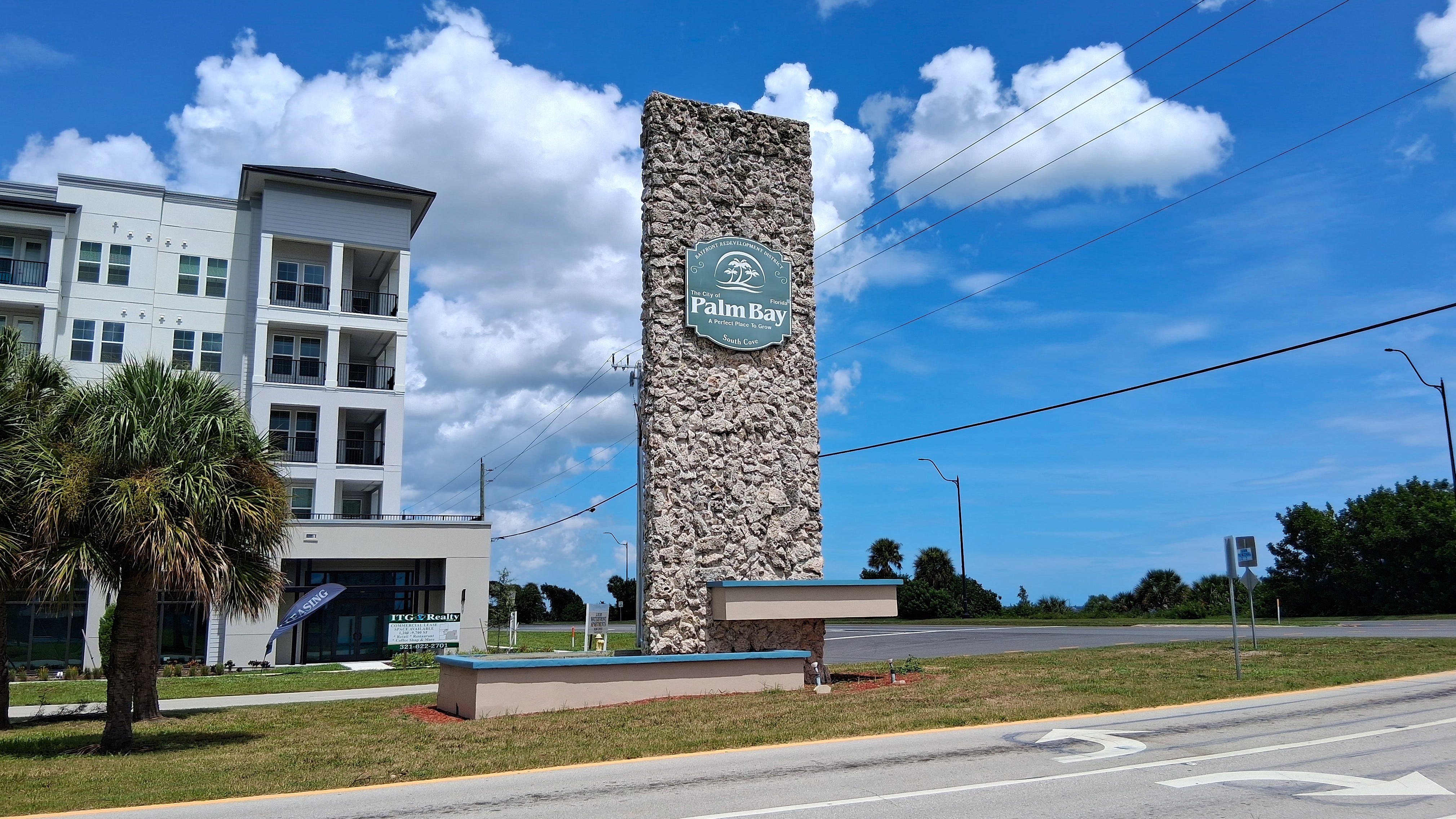
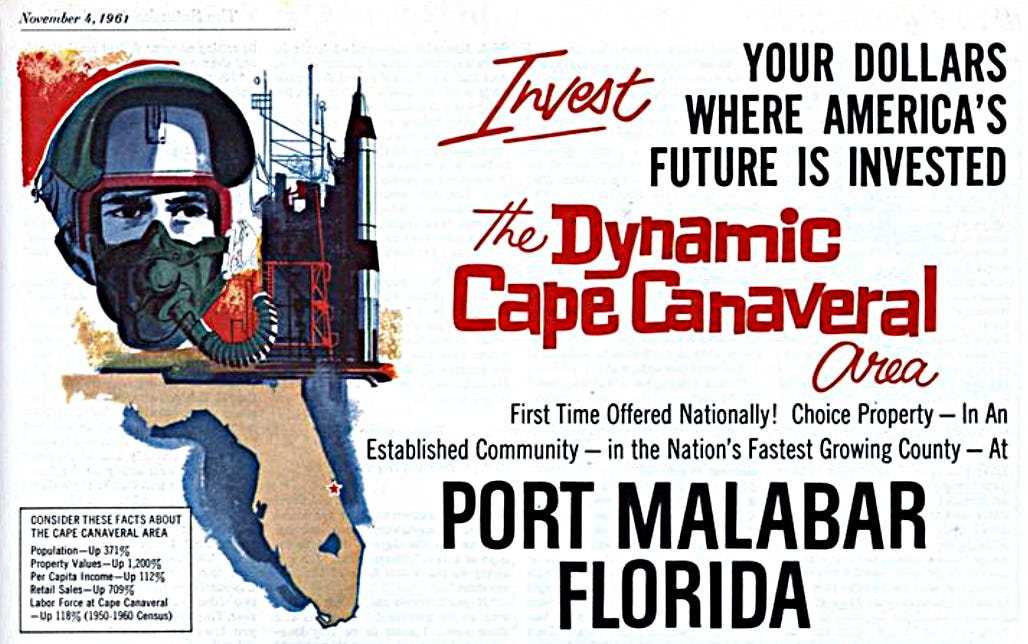
In 1959, the Mackle brothers and the General Development Corporation (GDC) saw the miles of flat land west of US-1, south of Turkey Creek, as a blank grid. It was an opportunity waiting to be divided into thousands of individual lots and sold by mail for “$10 down and $15 a month.” Flat, cheap land was the ultimate developer drug.
The sheer flatness allowed GDC and other developers to just keep laying asphalt. The result was an illusion of infinite land. Why build a “downtown” when it was simply cheaper to pave another mile of pine scrub?
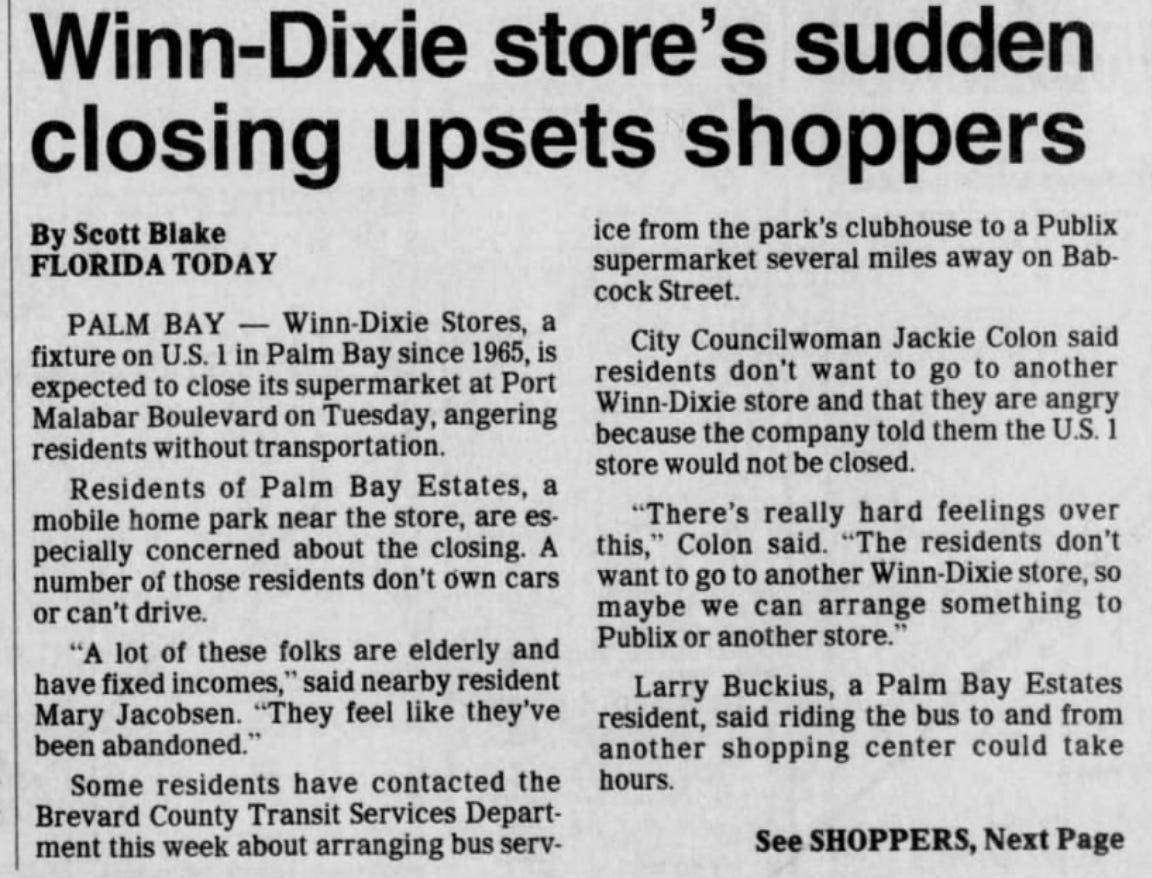
Early residents usually drove up to Melbourne for their shopping and dining. In 1965, Winn-Dixie opened as the anchor store for the new Port Malabar Plaza at the intersection of US-1 and Port Malabar Boulevard.
But in Palm Bay, not even a 33-year-old pillar was safe from the western drift. In late 1998, Winn-Dixie closed its doors, moving to a newer store further down the road on Babcock Street. Nearby residents were not happy about it.
Left vacant, the plaza by US-1 was heavily battered by consecutive hurricanes in 2004 and completely cleared away in 2006. For years, the historic starting point of the city sat as an empty lot—a casualty of a city that always looked west toward the next horizon rather than anchoring its core.
The Identity Crisis
As Palm Bay moved west, it found an identity for a while when GDC built its flagship neighborhood, the Port Malabar Country Club. This included an 18-hole golf course that hosted LPGA events in 1968 and 1969.
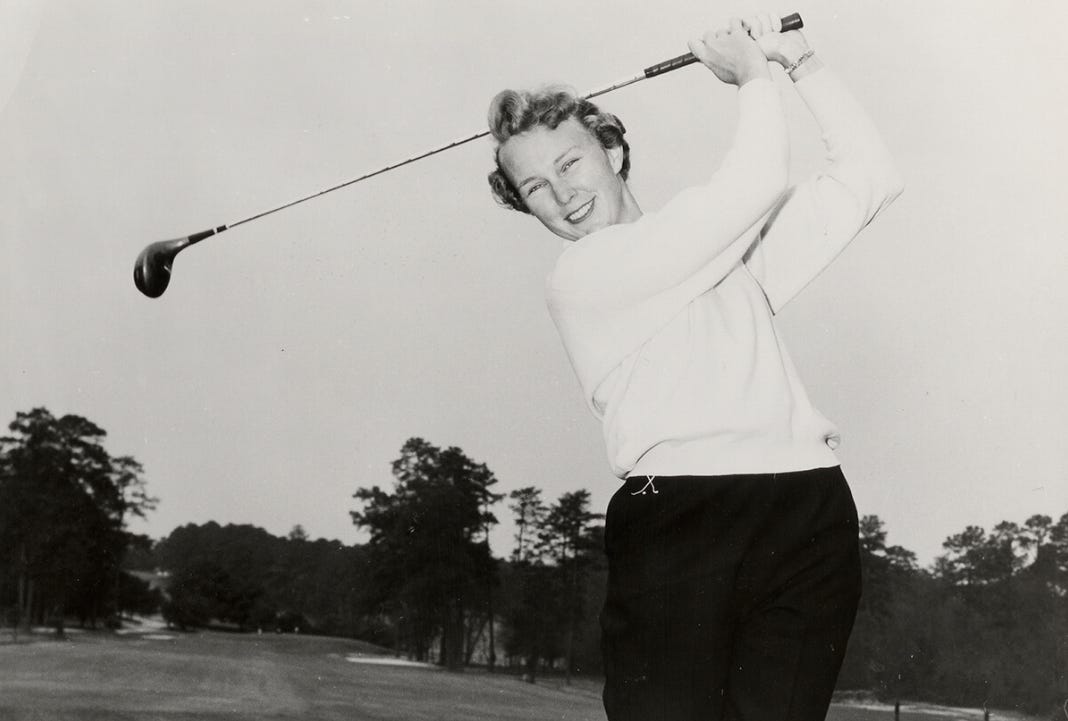
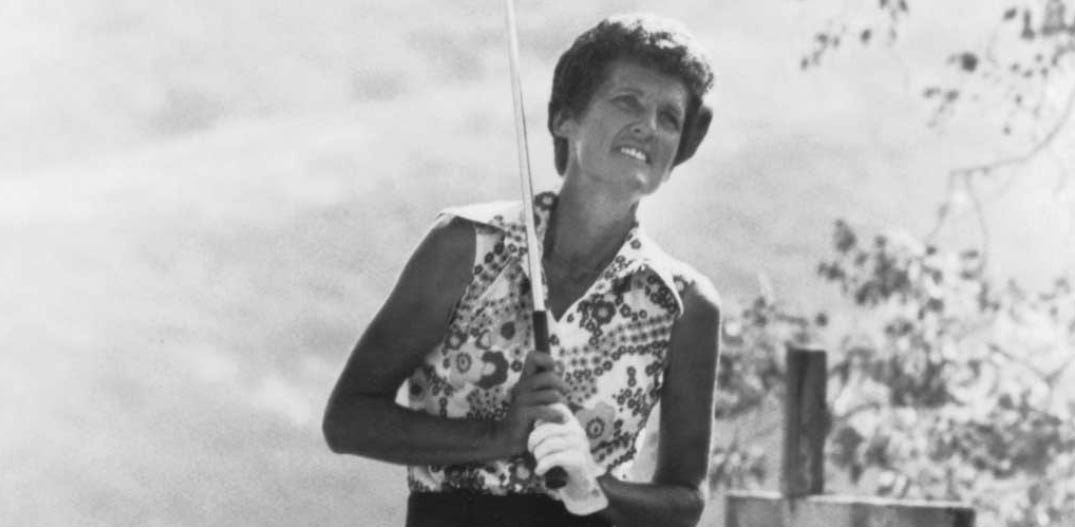
When the course eventually shut down due to hurricane damage in 2004, Palm Bay had a fleeting opportunity to add a significant central green area right in the heart of the city. Instead, the land succumbed to more rooftops.
The Sanctuary Counter-Example
Yet, just down the road, a completely different outcome proved that Palm Bay’s grid didn’t always have to dictate its destiny. In 1978, a pristine swath of land along Turkey Creek was carved away from development and donated to the city and the Florida Audubon Society.
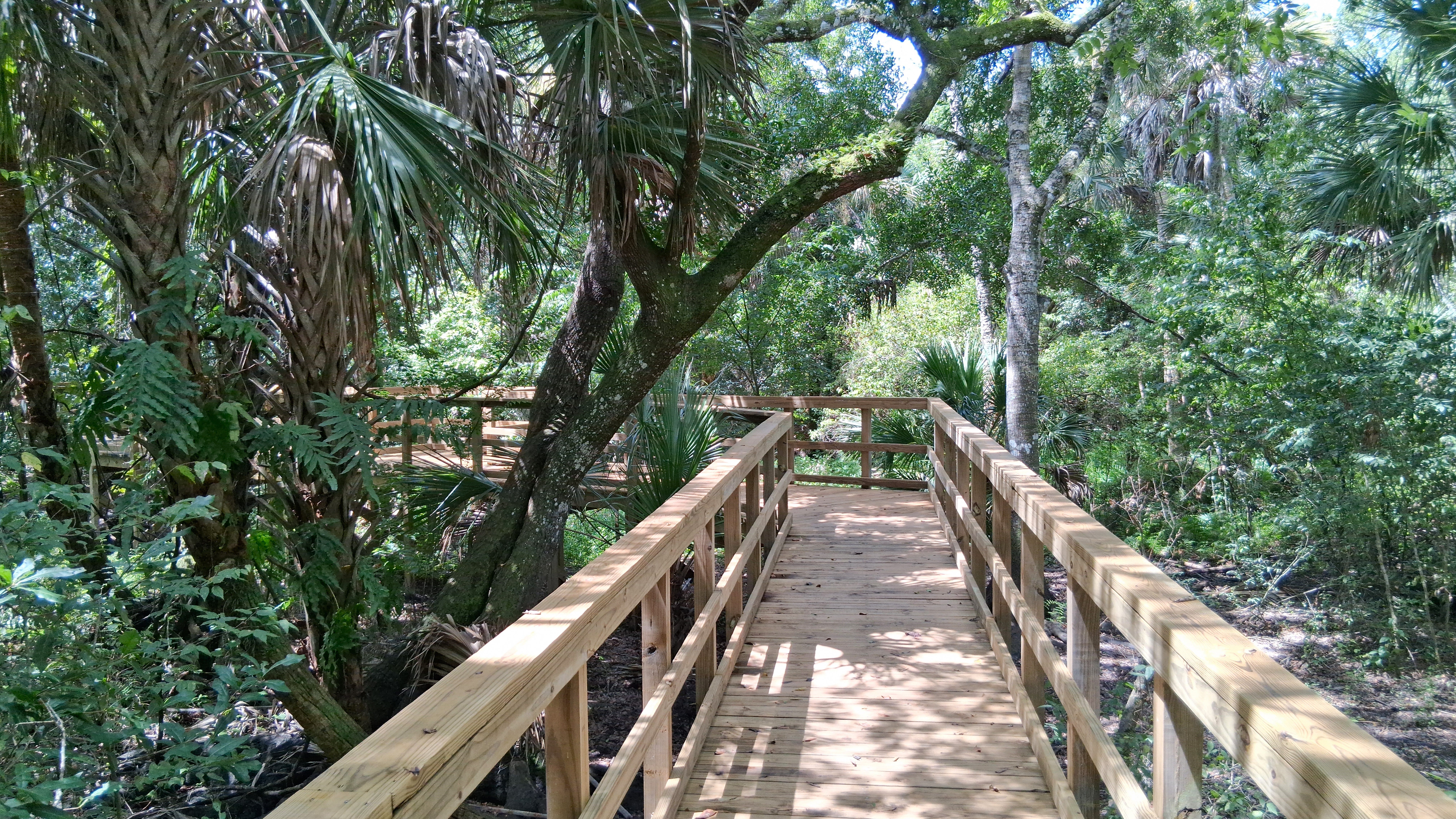
By 1981, local citizens saw the looming threat of surrounding encroachment and formed a grassroots preservation society to fiercely protect it. Bolstered by county environmental programs in 2004, the Turkey Creek Sanctuary grew to encompass roughly 160 acres of untouched “Old Florida” sand pines, ancient dunes, and blackwater hammock.
Over the years, the popular sanctuary proved its long-term value for community health and identity. Unfortunately, it was a lesson too often ignored.
The Cost of the Asphalt Trap
Over the decades, Palm Bay successfully established dozens of community parks, ranging from the expansive, 200-acre Fred Poppe Regional Park in the west to waterfront getaways like Castaways Point Park along the Indian River. However, local government often found itself entirely consumed by the basics. Just trying to keep up with road repairs and basic infrastructure from the never-ending expansion left little time or money for visionary planning.
When the City of Palm Bay officially incorporated on January 16, 1960, its tiny government suddenly found itself inheriting a sprawling, pre-platted geographic footprint larger than Miami. They were completely unprepared. They lacked:
The Regulatory Teeth: Strong zoning laws and urban planning departments didn't really exist in Florida's rural frontier housing booms.
The Foresight: Early city leaders were often caught up in the excitement of rapid growth and rising population numbers, completely missing the looming math problems developers left in their wake.
For decades, Palm Bay’s city council meetings were dominated by one grueling, expensive topic: paving roads. When GDC laid out Palm Bay’s grid, they often put down thin, cheap asphalt just to sell the lots. Years later those roads began to crumble, forcing the city to pass multi-million dollar bond referendums just to catch up.
The Modern Subdivisions
By the 1980s and 1990s, a new trend took hold: gated communities. Rather than building a unified town, developers began walling off pockets of it. Neighbors were separated from neighbors. With little to no central planning, big-box stores and strip malls rushed in to fill the gaps, scattering retail wherever asphalt met a main road.
Today, a new building boom is underway, and it’s following the exact same pattern. Across the southern half of the 321 area code, fragmented developments are exploding. Each separate community features its own tiny commercial island—usually anchored by a grocery store and a handful of chain restaurants. The houses are packed even closer together and remain hidden away behind gates. Suburban sprawl isn’t just an accident here; it is woven tightly into Palm Bay’s DNA.
If You Build It…
Palm Bay actually possesses a rich history and a vibrant, biodiverse ecosystem—assets that were usually overlooked by a rigid developer mentality. Despite these missed opportunities, the city still offers an incredible amount of value to newcomers. While local housing costs are rising, it still remains less expensive than much of coastal America. People are currently moving here by the thousands, partly driven by an aerospace and defense contracting economy, and partly driven by the extreme high cost of living in other Florida cities like Miami and Orlando.
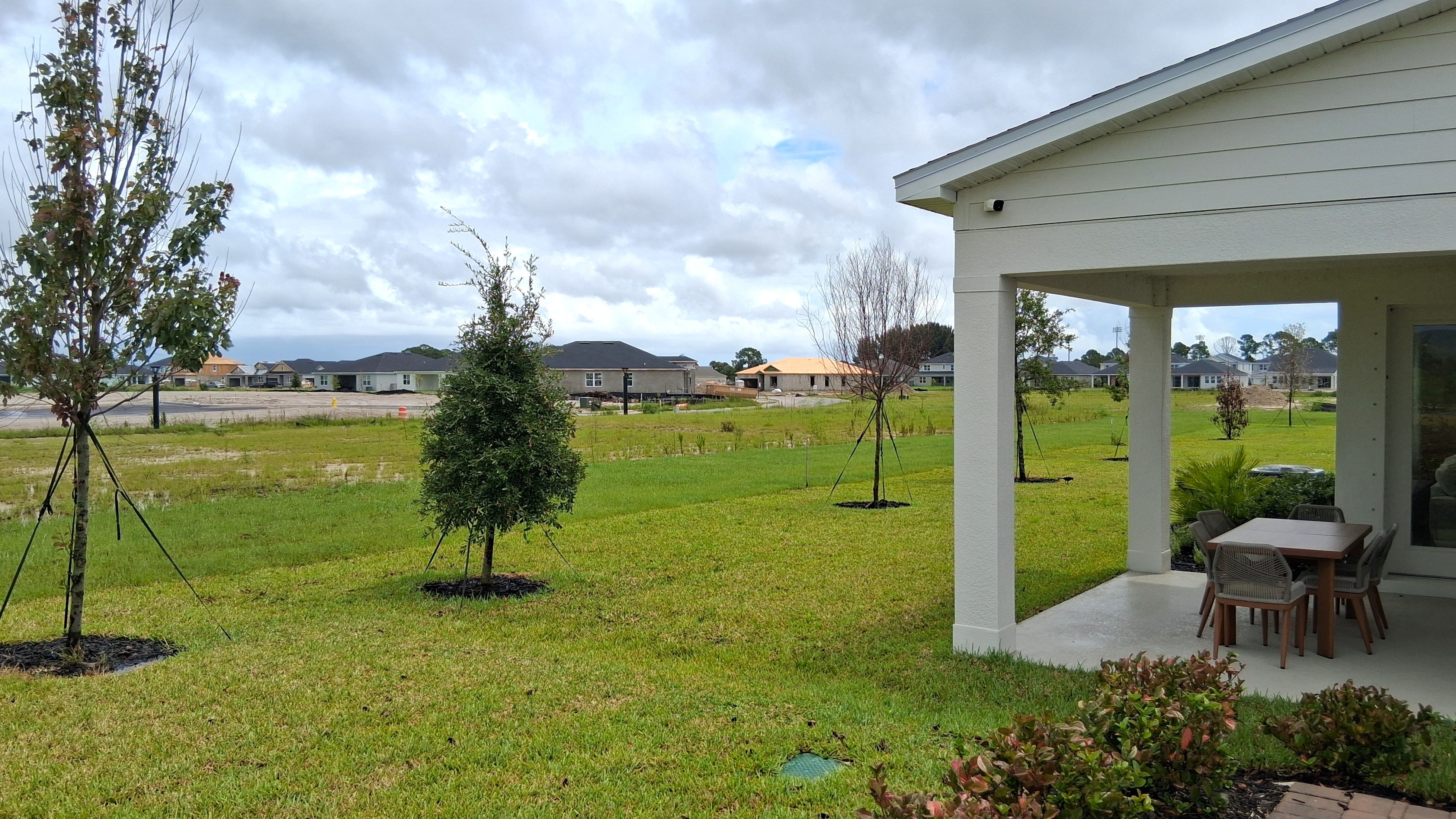
Palm Bay may never have the historic downtown square, but for those looking for a piece of the Florida dream, it remains a grid worth buying into.
— Nathan
More about Turkey Creek Sanctuary Park.
Lived on Easy Terrace, just west of the tracks and south of Port Malabar Blvd, 1960…delivered the Melbourne Times on my bike, to residents, free, gift for arriving newbies…