


If you're running low on ideas to get the kids out of the house, watch their faces light up when you tell them you're taking them on the Jungle Trail. The name does a lot of heavy lifting here—it’s mostly a dirt road through some maritime hammock and the backyards of gated subdivisions—but it’s a fun ride nonetheless.
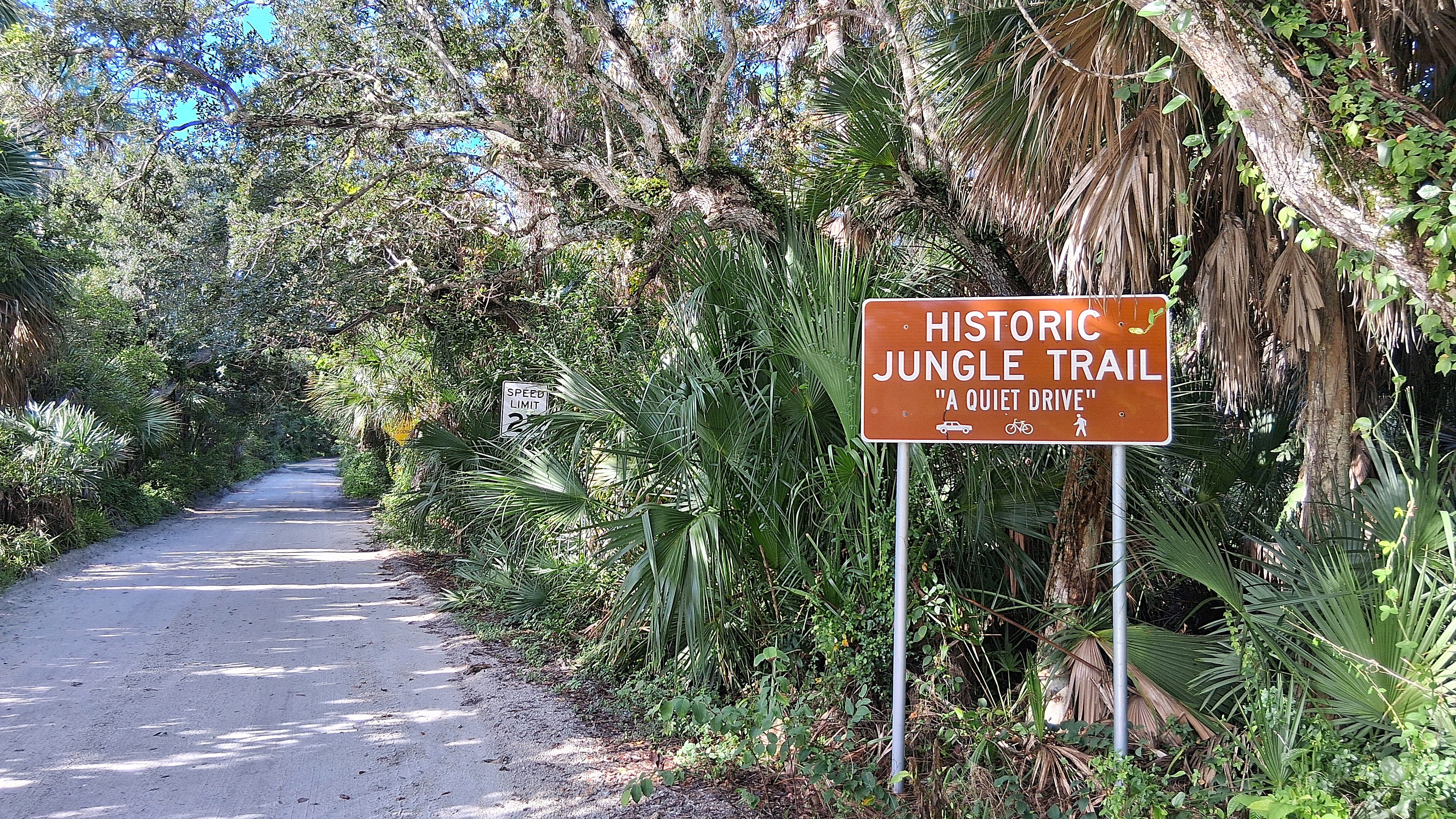
The actual destination today is the Pelican Island National Wildlife Refuge. You’ll find the entrance a few miles south of Sebastian Inlet on A1A—just look for the sign and hang a right onto the historic Jungle Trail. Another half-mile, and the parking area will be on the right.
Hint: Expect dirt on the tires and light gravel hitting your wheel wells. If that’s a concern, leave the Mercedes at home and pile the crew into an older car or pickup truck.
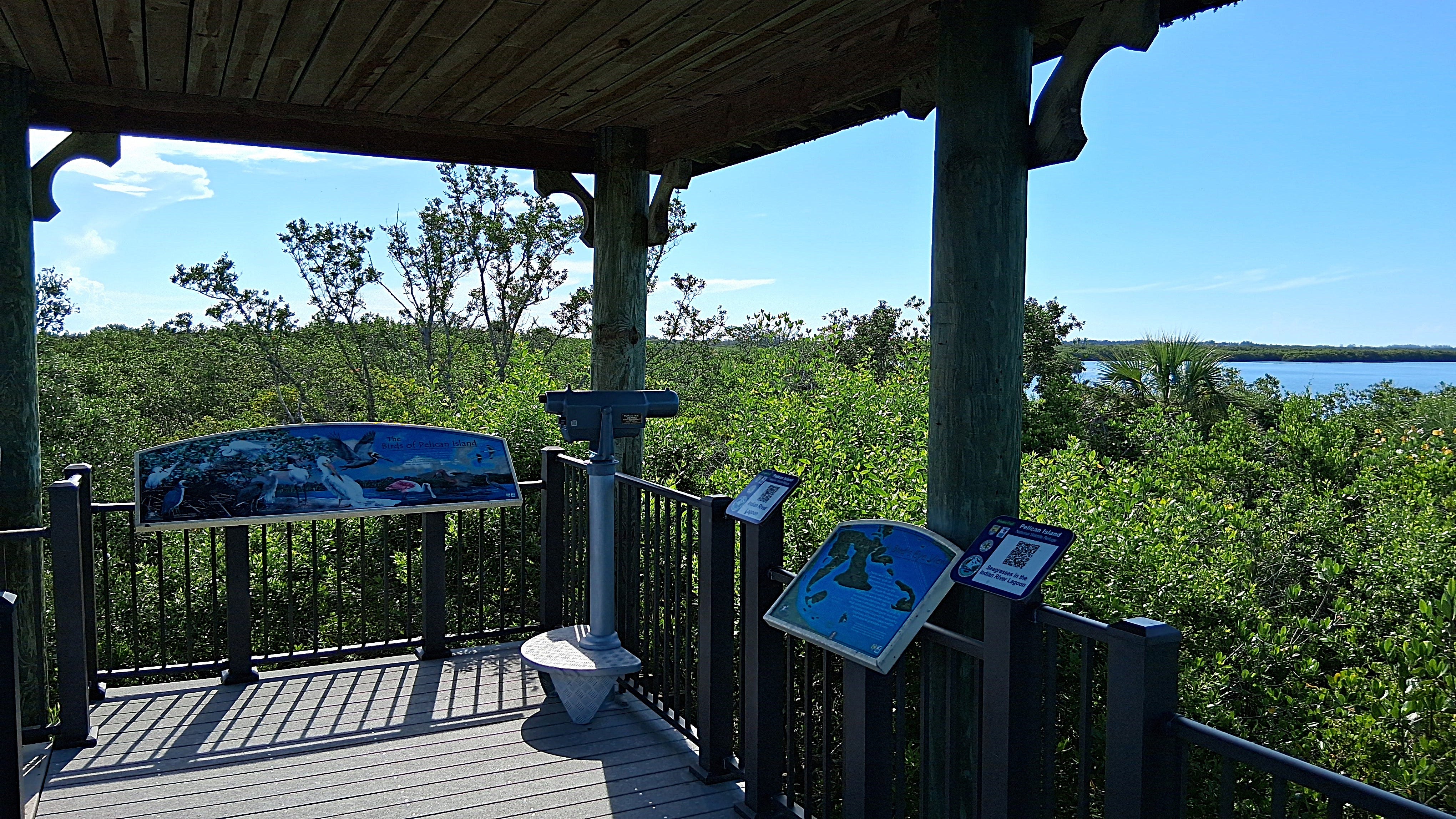
The walking trails here are a breeze. No hiking gear required—just flat paths that anyone can handle. If you stick to the Centennial Trail, it’s paved and turns into a nice boardwalk. You can read the history along the way, and there are plenty of spots to get great photos.
👑 Historical Milestones
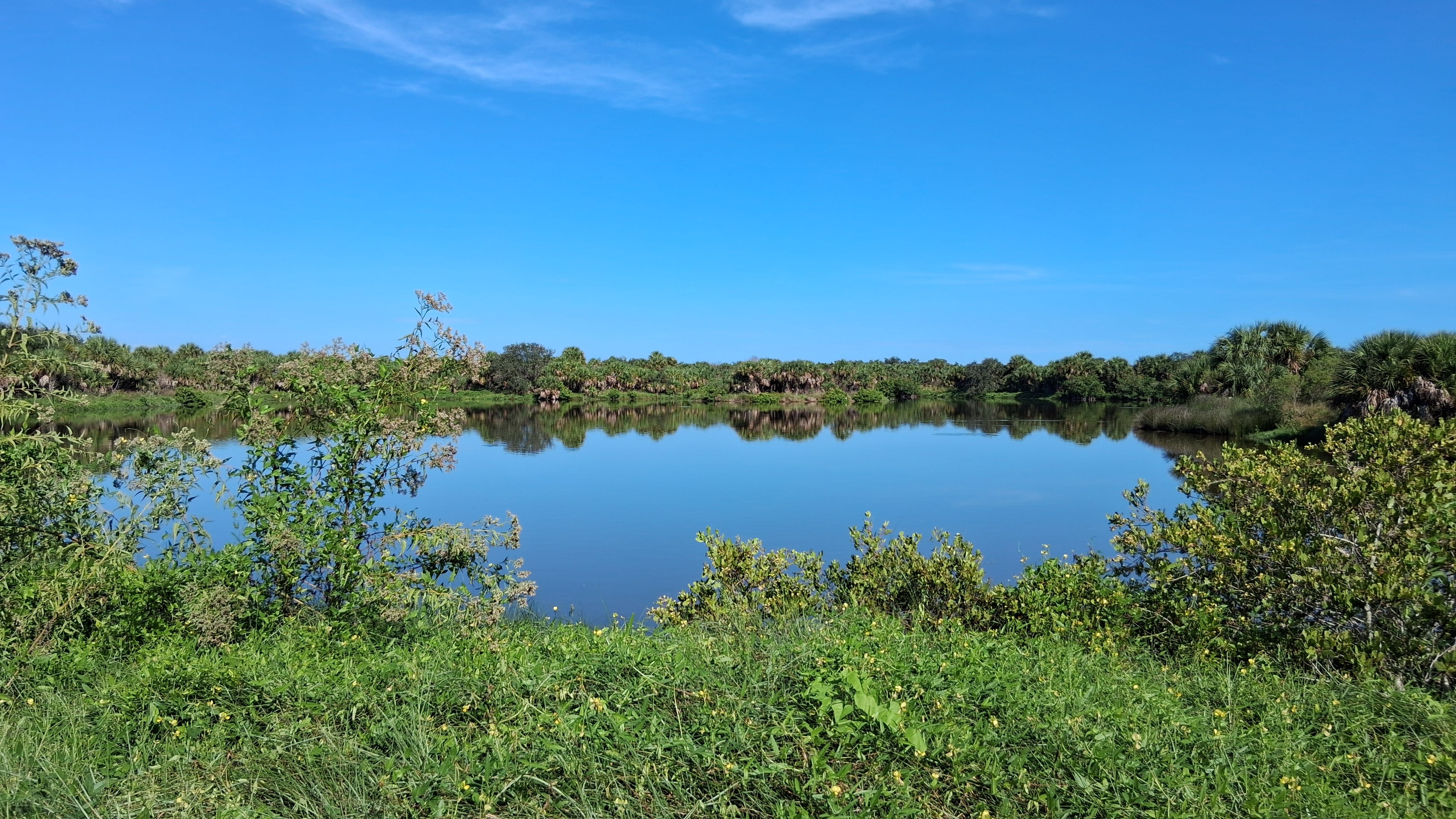
First in the nation. President Theodore Roosevelt established it on March 14, 1903, creating America’s very first National Wildlife Refuge.
Executive order origin. Roosevelt signed the order without consulting Congress, establishing a precedent that saved millions of acres of American wilderness.
Saving a species. It was created specifically to protect brown pelicans and other water birds from plume hunters killing them for the fashion industry.
Paul Kroegel’s legacy. A local boatman named Paul Kroegel became the nation’s first refuge warden, guarding the island with a single sailboat and a shotgun.
📍 Geography & Wildlife
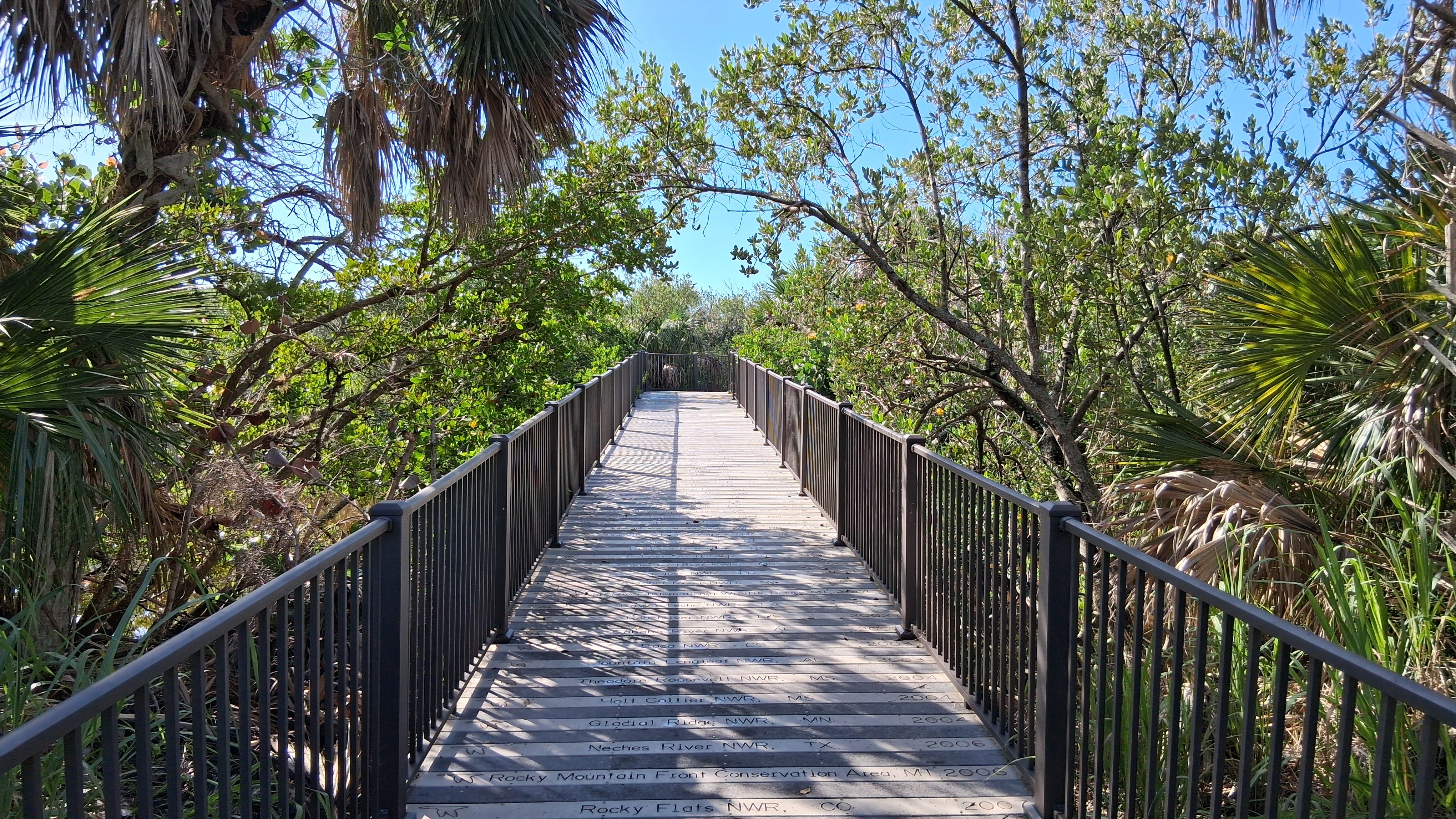
Lagoon location. It sits tucked away inside the Indian River Lagoon near Sebastian and Vero Beach, Florida.
Massive footprint. The refuge spans 5,400+ acres of protected lands and brackish water, though the actual “Pelican Island” is just a small, changing mangrove island.
Bird magnet. Over 140 bird species use the refuge for nesting, feeding, or migrating throughout the year.
Endangered haven. The surrounding waters serve as critical habitat for Florida manatees, green sea turtles, and wood storks.
🥾 Modern Visitor Info
Free entry. The refuge is completely free to visit and is open daily from 7:30 a.m. until sunset.
Centennial Trail. Visitors can walk a 3/4-mile trail that features a boardwalk engraved with the names of every national wildlife refuge in the country.
Observation tower. An accessible observation tower with mounted binoculars gives visitors a clear view across the lagoon to the actual nesting island.
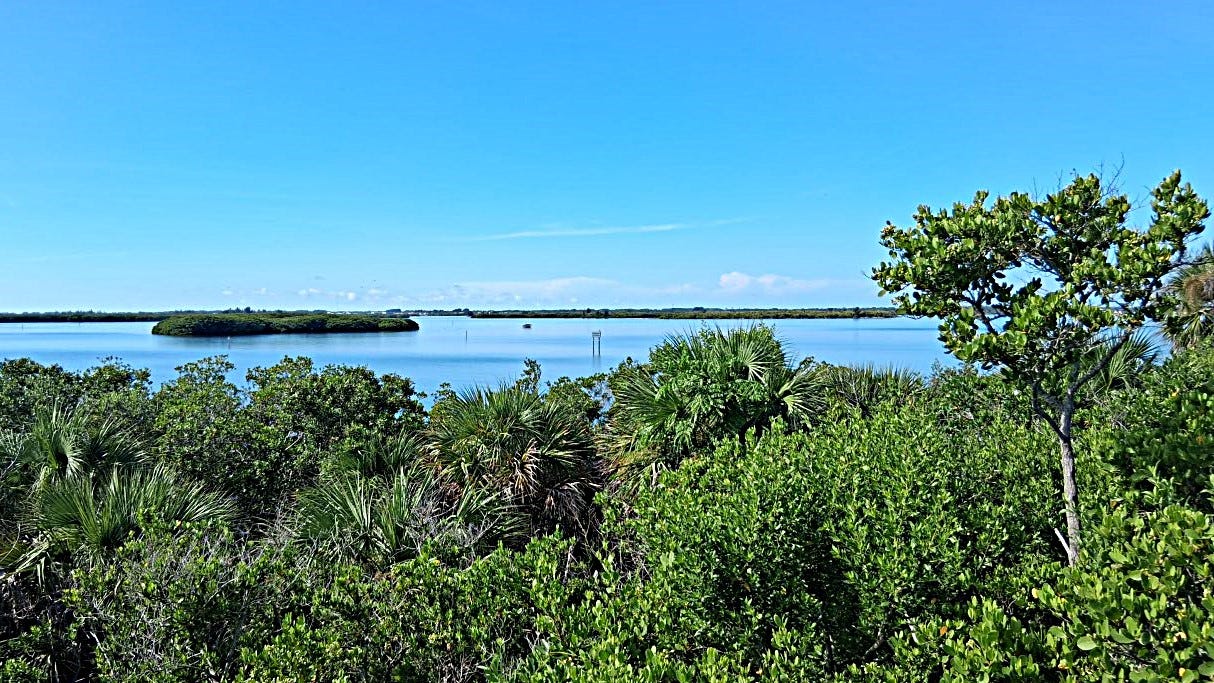
Pelican Island and the Jungle Trail are a no-brainer outing for the family. It’s free, relaxing, and secretly educational (if you read the history signs dramatically enough).
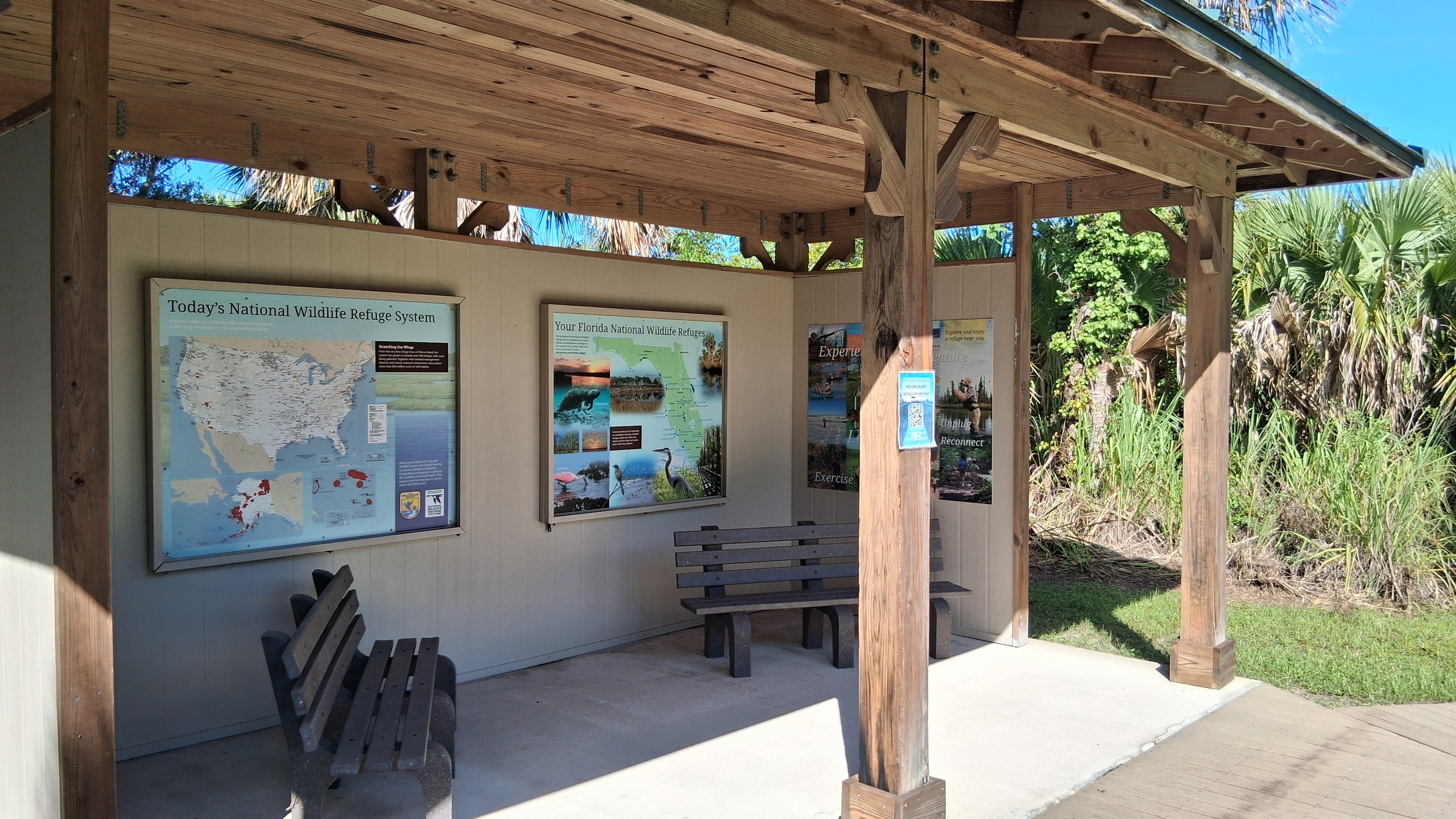
If you aren't ready to head home yet, continue south on the Jungle Trail for another 4 miles until it hits Wabasso Beach Road. If you still need more dirt, the trail continues farther south across the road.
I’ll be coming back here once the temperature settles down. There are some longer trails in the area that seem worth checking out.