


Driving along Palm Bay Road and Babcock Street, you can’t help but notice medical marijuana dispensaries moving into some of our most familiar local landmarks.
When the Wendy’s east of Babcock closed, The Flowery took over. Instead of flattening the structure, they utilized adaptive reuse—converting the fast-food drive-thru lane into an efficient pickup window for medical cannabis patients.
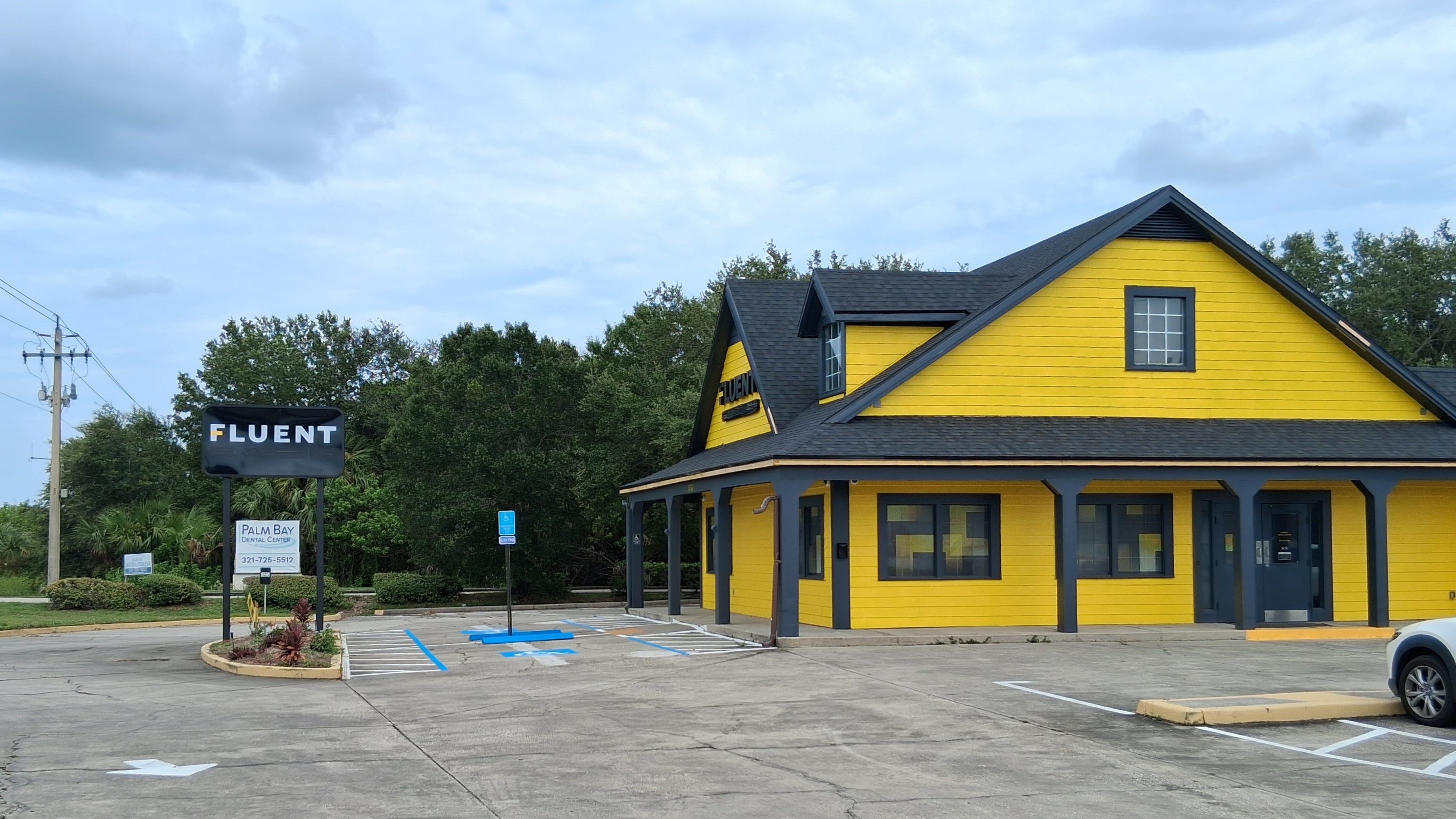
Right across the street, the closure of the iconic Wagon Wheel restaurant marked the end of an era. Today, the property and its original building, along with the pick-up window, have become FLUENT Cannabis.
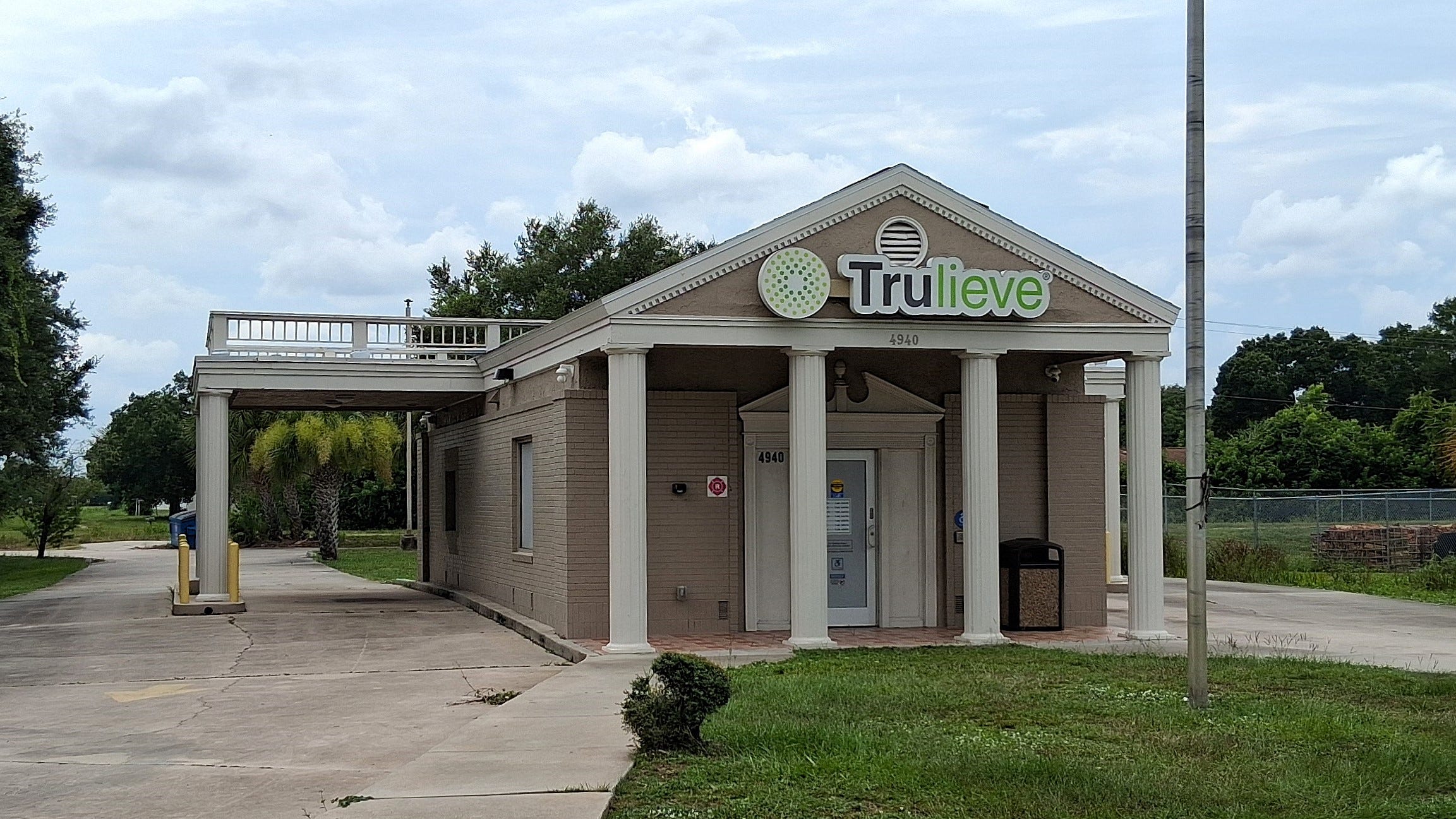
A little further south on Babcock sits a tiny, 900-square-foot former bank outpost with a wraparound drive-thru. Who remembers when it operated as Mr. Charlie’s Signature Wings Express? In March 2024, the parcel sold for $1.07 million and reopened as Trulieve Express Palm Bay.
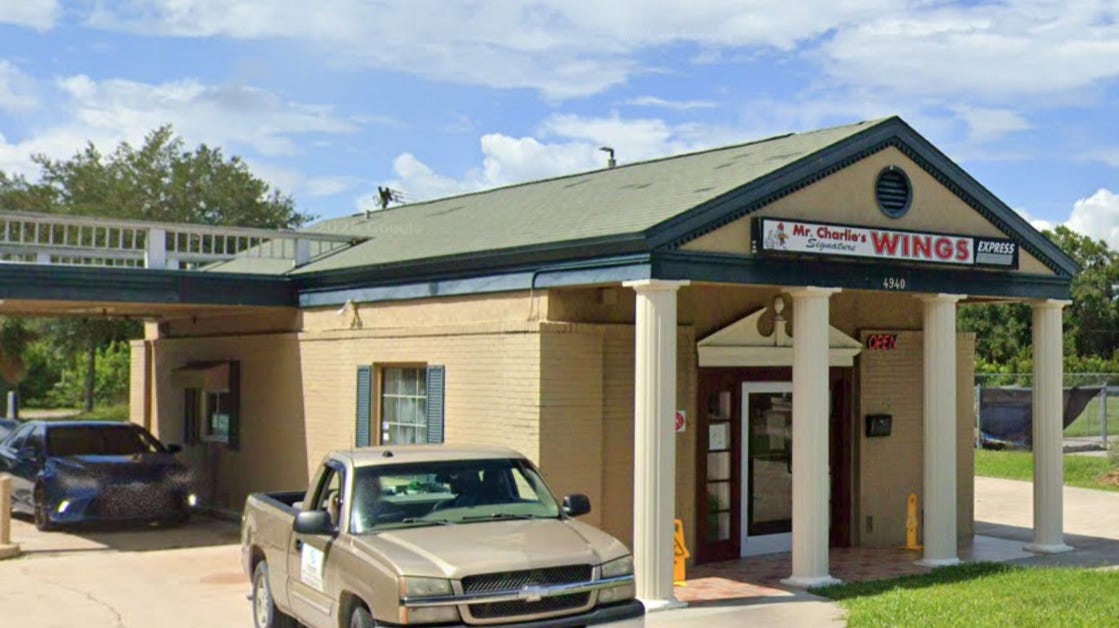
Notice the trend? Drive-thru windows.
Add in nearby spots like AYR, Curaleaf, and Cookies—plus more across Palm Bay and West Melbourne—and South Brevard has experienced a full-blown retail boom.
How We Got Here: Florida’s Cannabis Rules in 60 Seconds
While the Compassionate Medical Cannabis Act of 2014 opened the door, full-strength medical marijuana arrived in 2016 when Florida voters overwhelmingly passed Amendment 2 with 71.3% approval.
To understand why these companies were in such a rush to grab local real estate, it helps to look at Florida’s unique Department of Health rules:
The “Seed-to-Sale” Rule: Dispensaries can’t buy wholesale from independent growers. By law, a single company must grow, process, package, transport, and sell everything on its shelves.
100% Florida Grown: Because cannabis remains federally illegal, zero product can cross state lines. Everything sold in Florida has to be cultivated inside Florida facilities.
Strictly Medical: No recreational buying. Customers must hold an active state medical card, re-certify with a doctor every 7 months, and follow strict state dosage caps.
No Kid-Friendly Packaging: Products must be sold in plain, child-resistant packaging—no bright colors or candy-style designs.
Local Municipal Control: Cities can’t tax dispensaries extra, but they do have the right to treat them like pharmacies or ban new locations entirely.
The Big Takeaway: Building massive grow facilities alongside a retail chain costs tens of millions of dollars. That’s why only a small handful of well-funded corporations hold licenses in Florida—and why giant brands swarmed prime South Brevard real estate.
The Amendment 3 Push
The aggressive land grab wasn’t just about capturing today’s medical patients—it was a calculated bet on Amendment 3, the 2024 ballot initiative to legalize recreational marijuana. Major operators poured millions into the effort, viewing drive-thru corridors as future goldmines capable of serving adult consumers overnight.
While a majority of Florida voters (55.9%) supported the measure, it ultimately failed to reach the state’s strict 60% supermajority requirement for constitutional amendments. Yet, even without recreational legalization, Florida’s medical market boasts over 900,000 registered patients, keeping corporate operators exceptionally stable.
But this rapid expansion hasn’t unfolded without local friction.
Palm Bay’s New Ban
Alarmed by the sheer proliferation of storefronts, the Palm Bay City Council voted 4–1 in May 2026 to pass an ordinance blocking any future medical marijuana dispensaries from opening within city limits.
Existing dispensaries were legally “grandfathered in.” They beat the clock, locking down permanent real estate footprints while effectively pulling up the ladder behind them.
The Border Shift: West Melbourne & Melbourne
Just a few miles north, a completely different dynamic unfolded.
While Palm Bay left its doors open for a decade before slamming them shut, the City of Melbourne originally used the state’s “all-or-nothing” rule to enforce a total citywide ban. That’s why storefronts like Trulieve on 192 sit safely inside the independent municipal borders of West Melbourne.
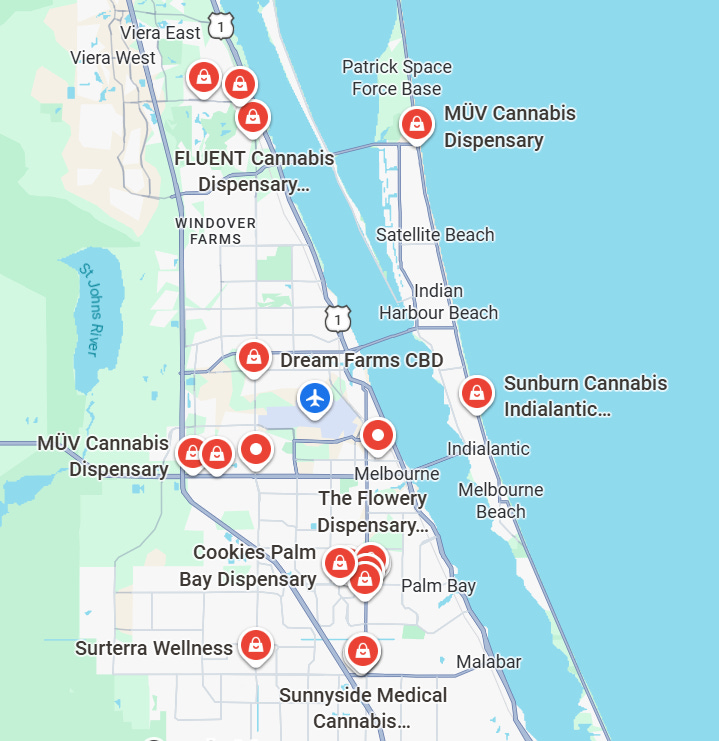
However, after watching business and tax potential flee to neighboring areas, the Melbourne City Council recently reversed its long-standing ban. The result? A fresh corporate land grab is pushing north, with major brands coming to the high-traffic commuter pipelines of North Wickham Road.
Ultimately, the transformation of the old Wendy’s and the former Wagon Wheel tells a larger story: South Brevard is changing fast. From dispensaries and subdivisions to apartments and mini-cities, the landscape is being reshaped in real-time.
— Nathan
Do you remember having a meal at the Wagon Wheel or grabbing wings from Mr. Charlie’s on Babcock? Where do you stand on recreational legalization in Florida?